
Introduction
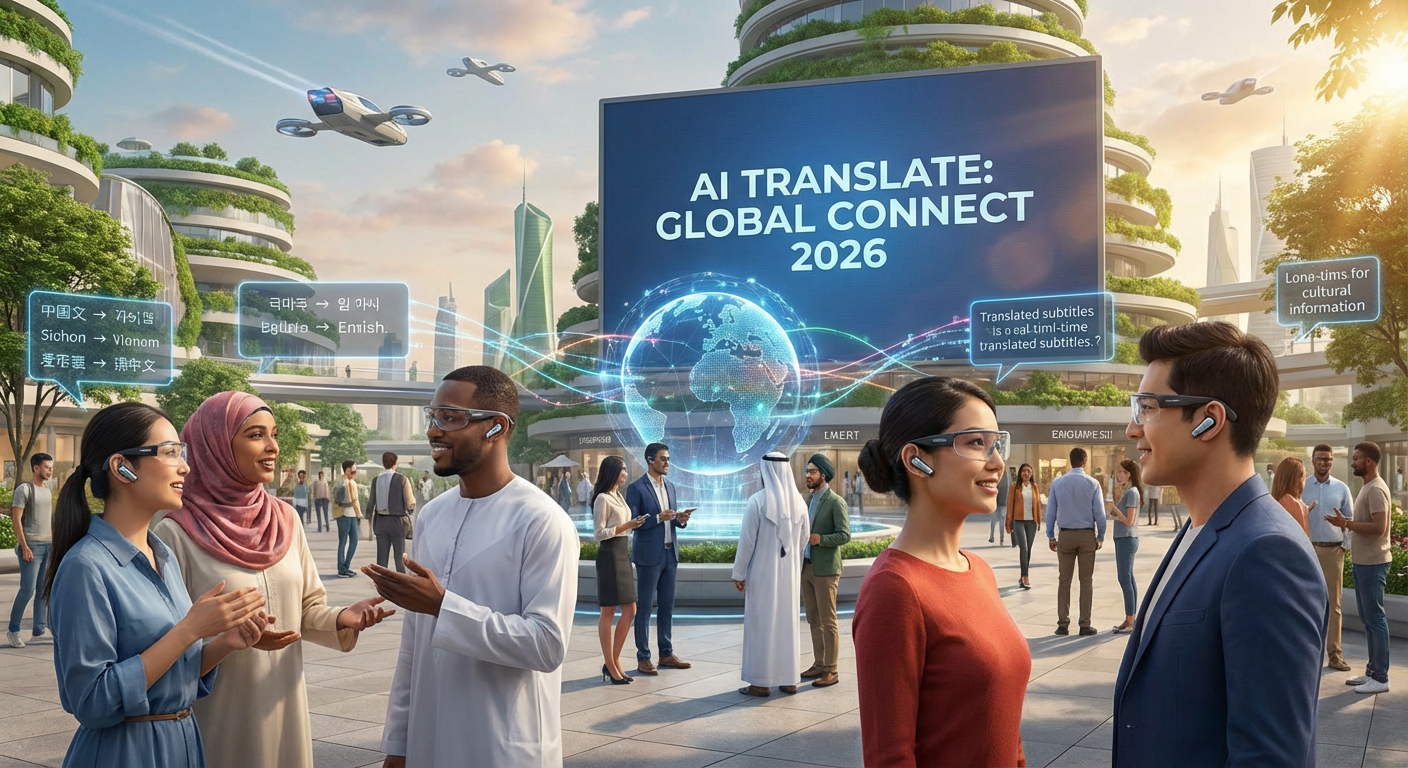
In an era where global communication is paramount, AI-powered translation and localization tools are revolutionizing how we connect across borders. As we step into 2026, these tools are not just enhancing communication but transforming it, making language barriers a thing of the past.
Overview of AI-Powered Translation and Localization Tools

AI translation tools have evolved significantly, leveraging neural machine translation (NMT) to understand context, cultural nuances, and local dialects. These tools enable real-time translation, making them essential for global teams. Companies are increasingly adopting AI solutions for their speed, accuracy, and cost-effectiveness.
Key Features and Benefits for Global Teams
Real-Time Translation
Instant communication across languages is now possible, breaking down barriers and fostering collaboration.
Cultural Adaptation
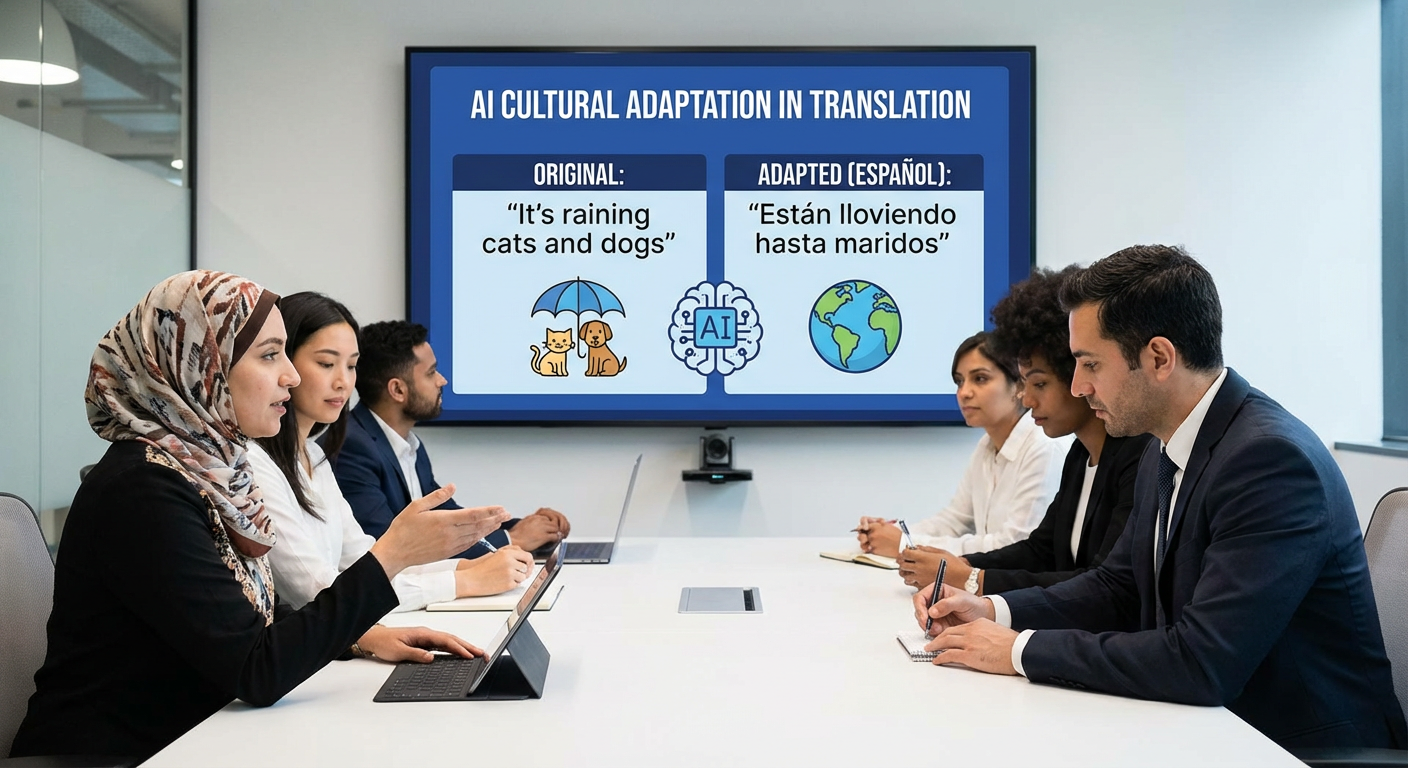
Tools like Taia use algorithms to suggest local alternatives for idioms and metaphors, ensuring messages resonate culturally.
Integration with Digital Platforms
Seamless integration with tools like Zoom and Microsoft Teams enhances productivity and communication.
Cost Efficiency
By reducing the need for full-time human translators, AI tools make translation services affordable for businesses of all sizes.
Latest Advancements and Trends in 2026
Increased Adoption
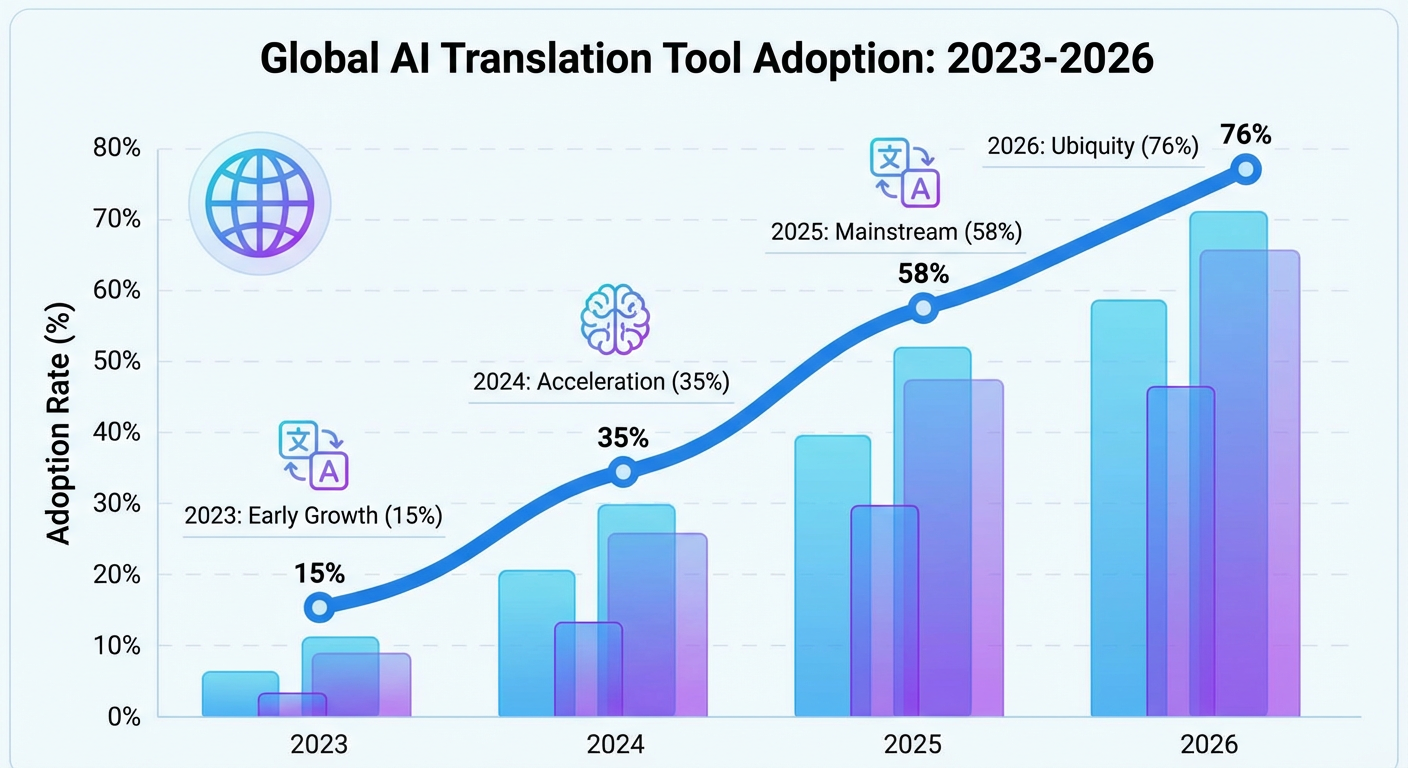
A survey revealed that 78% of organizations now use AI translation tools, up from 42% in 2023.
Multimodal AI
Combining text, images, and speech for holistic localization is becoming the norm.
Specialized Services
Growth in transcreation and technical translation services is evident, catering to specific industry needs.
Multilingual SEO
Ensuring localized content is discoverable online is crucial for global reach.
Case Studies of Successful Implementation

Global Brands
Companies like Wordly AI and DeepL Voice are leading the way in providing real-time translation for large-scale events and meetings.
Education Sector
71% of students now use AI tools to access academic resources in different languages, promoting global collaboration.
Challenges and Considerations for Adoption
Cultural Sensitivity
AI tools may struggle with nuanced cultural contexts, requiring human oversight.
Data Security
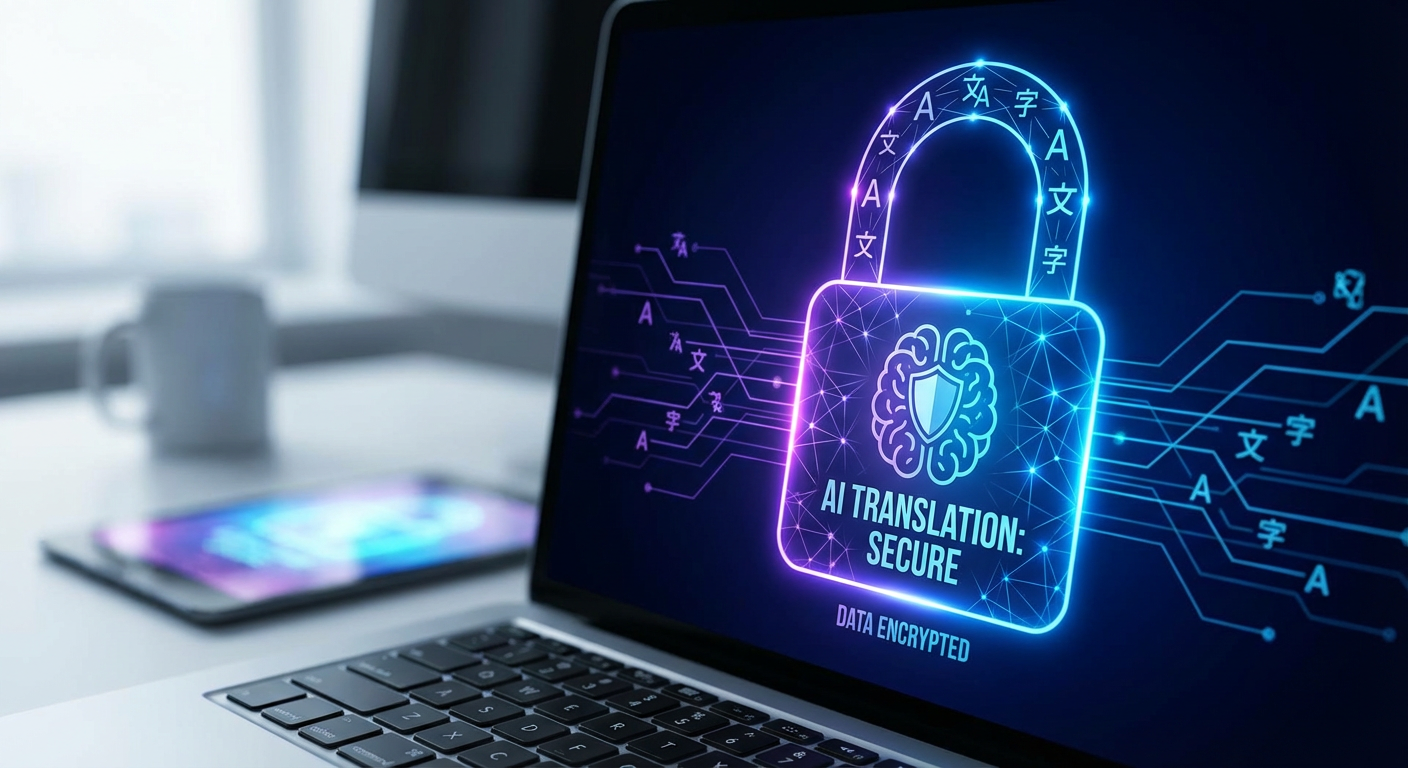
Concerns about sharing sensitive information through AI platforms need addressing.
Dependence on Internet Access
In remote areas, reliable internet is crucial for effective use.
Conclusion
AI-powered translation and localization tools are reshaping global communication. As these technologies continue to advance, they promise to make the world more connected and collaborative. Embracing these tools can lead to unprecedented opportunities for businesses and individuals alike.
SEO Strategy
- Primary Keyword: AI translation tools
- Secondary Keywords: Localization technology, Global communication, Neural machine translation, Multilingual support
- Meta Description: Discover how AI-powered translation tools are transforming global communication in 2026 with real-time translation and cultural adaptation.
- Suggested Image Alt Text: AI-powered translation and localization tools connecting people globally.
Categories
- Top AI Tools (ID: 2)
- Productivity Tools (ID: 1)
- Trending Insights (ID: 10)
Notes for Manager
- Featured Image URL: AI-powered translation and localization tools
- Blog Category IDs: 2, 1, 10