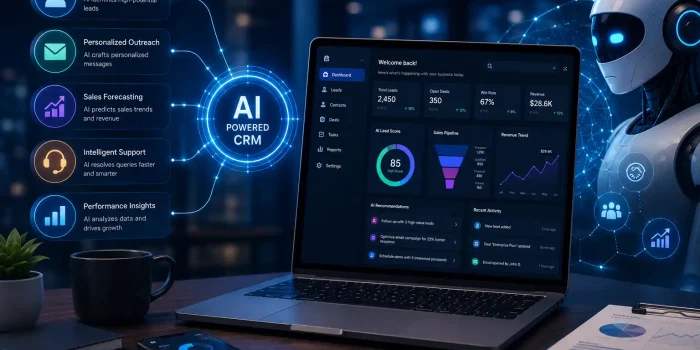
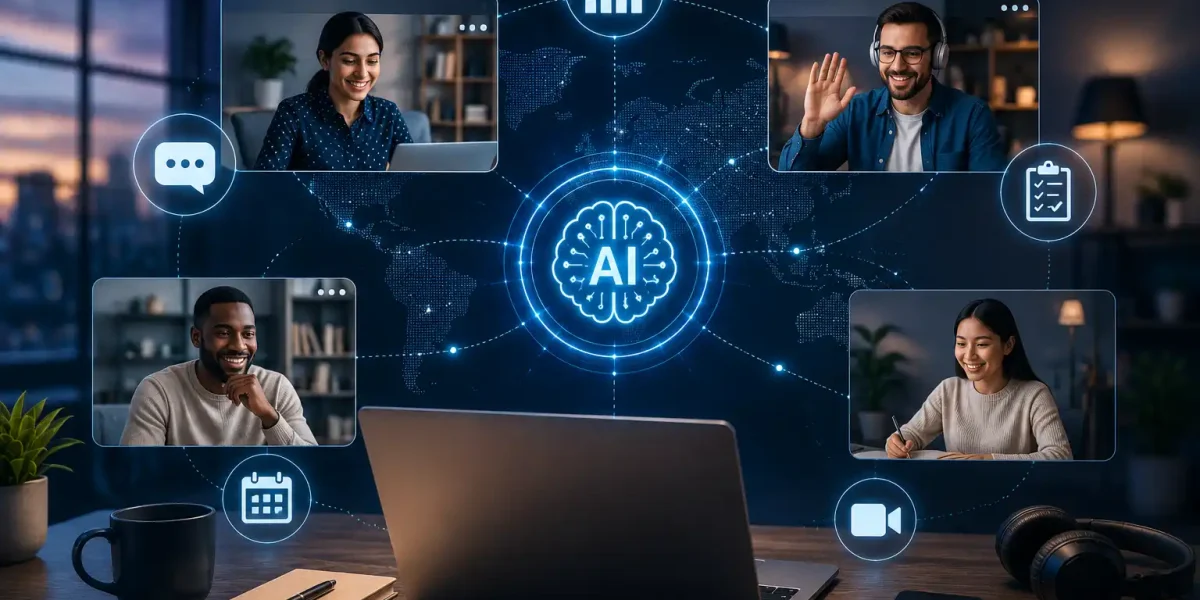
A few years ago, remote work was viewed as a temporary solution. Today, it has become a permanent part of the global workforce. Businesses are hiring talent from different cities, countries, and time zones, creating opportunities that were once impossible.
But managing distributed teams comes with challenges.
Communication gaps, missed updates, endless meetings, scattered information, and productivity concerns have become common issues for remote organizations.
In 2026, artificial intelligence is emerging as the technology that solves many of these problems.
Rather than simply assisting employees, AI is becoming an active participant in daily workflows. From managing projects and summarizing meetings to automating administrative work and improving collaboration, AI is transforming how remote teams operate.
For many organizations, AI is becoming the digital glue that keeps distributed teams connected and productive.
Remote Work Has Entered a New Phase
The first wave of remote work focused on flexibility.
The second wave focused on collaboration.
Now, the third wave is focused on intelligence.
Businesses are realizing that simply providing employees with communication tools is not enough. Teams need systems that can organize information, reduce complexity, and help people work efficiently across locations.
AI is filling that role.
Modern organizations are increasingly building AI-powered workplaces where technology actively supports employees throughout the workday.
This shift is creating a smarter and more connected remote workforce.
AI Is Becoming the Invisible Team Member
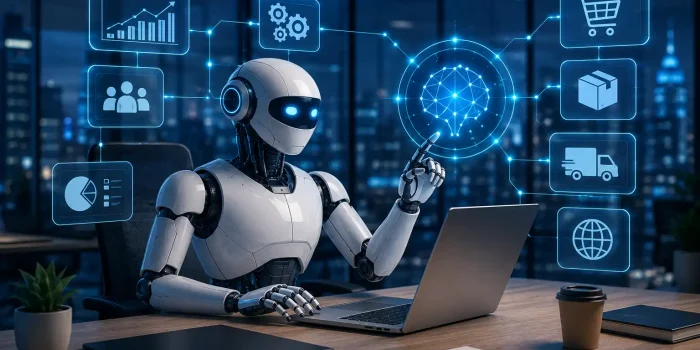
One of the biggest workplace trends of 2026 is the rise of AI as a digital team member.
Unlike traditional software that waits for instructions, modern AI systems can proactively assist employees by managing tasks behind the scenes.
These systems can:
- Organize team workflows
- Prioritize important tasks
- Generate project updates
- Schedule meetings
- Create reports
- Monitor deadlines
- Provide productivity insights
Many organizations now view AI as an operational partner rather than simply a software tool.
The result is fewer administrative burdens and more time for meaningful work.
Meetings Are Becoming Shorter and Smarter
Remote teams often spend a large portion of their day in meetings.
While collaboration is important, excessive meetings can reduce productivity and contribute to employee fatigue.
AI is changing this dynamic.
Modern meeting assistants can:
- Record conversations
- Generate summaries instantly
- Identify key decisions
- Create action items automatically
- Assign responsibilities
- Share follow-up reports
Employees no longer need to take detailed notes or attend every discussion.
AI ensures important information is captured and distributed automatically.
This allows teams to focus on execution instead of administration.
Breaking Down Time Zone Barriers
One of the biggest challenges for global teams is coordinating across multiple time zones.
A team member in India may finish work just as another employee in Europe begins their day.
AI-powered collaboration platforms help bridge these gaps.
These systems can:
- Summarize missed conversations
- Highlight critical updates
- Prioritize urgent tasks
- Translate discussions in real time
- Deliver contextual information when employees log in
Instead of constantly chasing updates, employees receive exactly what they need to stay aligned.
This significantly improves collaboration across distributed teams.
Productivity Is Being Reimagined
For years, productivity was measured by activity.
Hours worked.
Meetings attended.
Emails sent.
AI is helping businesses shift toward measuring outcomes instead.
Automation now handles many repetitive tasks that traditionally consumed valuable employee time.
Examples include:
- Documentation
- Data entry
- Status reporting
- Calendar management
- File organization
- Internal communication updates
As a result, employees spend more time solving problems, building relationships, and creating value.
Organizations are discovering that productivity improves when people focus on high-impact work rather than routine administration.
Knowledge Is No Longer Lost
One common challenge in remote organizations is information fragmentation.
Important insights often become buried inside email threads, chat messages, shared documents, and project management systems.
AI-powered knowledge management is solving this problem.
Modern systems can automatically:
- Organize company information
- Categorize documents
- Index conversations
- Answer employee questions
- Surface relevant resources instantly
Instead of spending valuable time searching for information, employees can access answers within seconds.
This creates faster decision-making and improves operational efficiency.
AI Is Creating More Personalized Work Experiences
Every employee works differently.
Some prefer structured workflows while others thrive with flexibility.
AI systems are increasingly adapting to individual work styles by providing personalized recommendations and support.
Employees can receive:
- Custom productivity suggestions
- Smart task prioritization
- Personalized schedules
- Automated reminders
- Context-aware assistance
This level of personalization helps individuals work more effectively without increasing workload or stress.
Challenges Still Require Human Leadership
Despite rapid advancements, AI is not replacing leadership, creativity, or human judgment.
Successful remote organizations understand that technology works best when combined with strong human decision-making.
Businesses must continue focusing on:
Trust
Employees need confidence in how AI systems operate.
Privacy
Sensitive company and employee data must remain secure.
Transparency
Teams should understand how AI-driven recommendations are generated.
Human Oversight
Important decisions should always involve people.
The future workplace is not AI versus humans.
It is AI working alongside humans.
The Future of AI-Powered Remote Work
Industry experts predict that remote teams will become increasingly intelligent over the next few years.
Future AI systems may:
- Manage complete project workflows
- Predict collaboration bottlenecks
- Balance workloads automatically
- Coordinate cross-functional teams
- Provide real-time business insights
As these capabilities mature, remote work will become less about location and more about intelligent collaboration.
Organizations that embrace this transformation early are likely to gain significant competitive advantages.
Final Thoughts
Artificial intelligence is reshaping remote work in ways that extend far beyond automation.
It is helping teams communicate better, collaborate faster, manage information more effectively, and focus on the work that truly matters.