
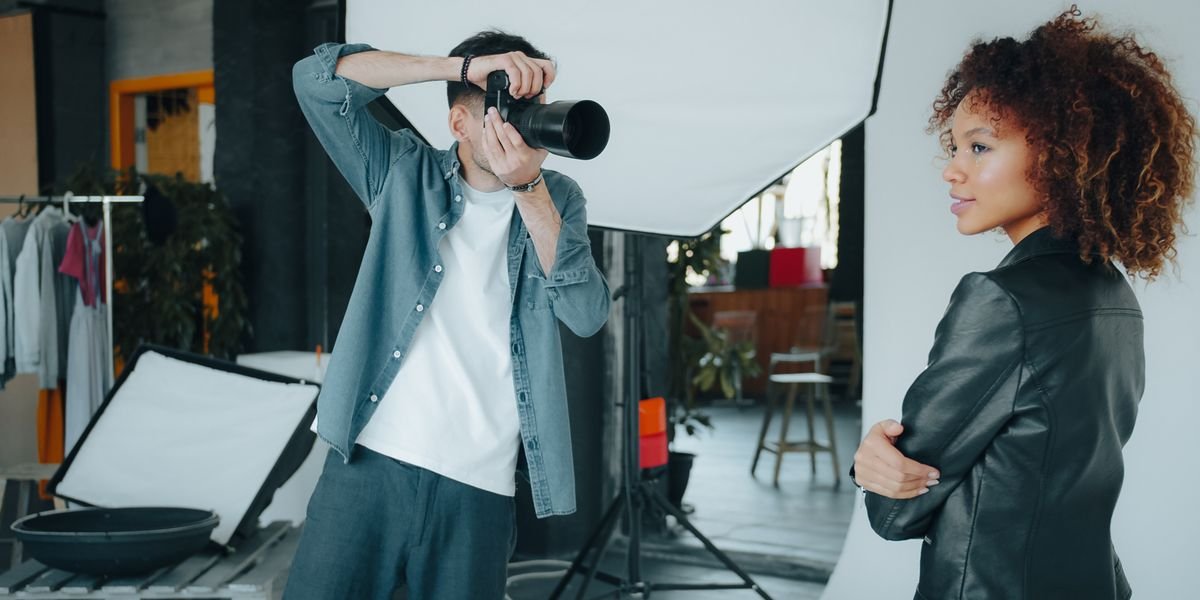
Photo by Vitaly Gariev on Pexels
What Is Editorial Photography?
Editorial photography is imagery made to go with a story in a publication. It puts narrative first. It does not put commercial goals first. It does not put pure looks first. That editorial photography definition matters. It explains why the genre exists. The photo serves the story first. It does not serve a product or a brand. This umbrella covers many kinds of work. A newspaper photographer documenting a protest. A magazine shooter capturing a designer’s new collection. A portrait made to illustrate a profile.
Editorial vs commercial photography comes down to purpose and control. A brand commissions commercial work to sell. Think ads, catalogs, and product campaigns. The client directs the shoot. A publication commissions editorial work. The photographer or editor shapes the visual narrative. Fine art photography differs again. It is made for galleries and personal expression. No story assignment sits behind it.
How Is Editorial Photography Different from Commercial and Fine Art Photography?
Editorial photography is not the same as commercial photography. Its job is to tell a story. It is not to sell a product. A commercial shoot exists to move goods. So the brand controls the message. An editorial shoot exists to inform readers or move them. So the photographer often keeps more creative freedom.
The clearest split shows up in licensing. Commercial images are usually licensed for ads. This costs more because the buyer profits directly. Editorial images are licensed to magazines and newspapers for storytelling. So rates stay lower and use stays narrower.
Fine art photography is different again. It comes from personal expression. It is made for galleries and collectors. It is not made for a story assignment. Editorial work always answers to a narrative. That is why editorial vs commercial photography comes down to purpose, not gear or skill.
What Are the Key Characteristics of Editorial Photography?
Editorial photography starts with storytelling. Every frame moves a story forward. It does not sell a product or decorate a wall. One image often carries a whole scene. So the photographer hunts for the moment that says the most with the least.
Real moments matter more than perfect poses. Commercial shoots direct every detail. Editorial photographers do not. They watch and wait for real expressions and gestures. That honesty makes a reader trust the story. This holds true for magazines, newspapers, and digital news sites.
Mood and emotion drive the visual choices. Light, color, and composition all serve the feeling of the piece. A quiet portrait and a dramatic nightscape can both work here. The goal is to match the tone of the words they sit beside.
Publication context shapes every decision. Images are shot to fit a layout, a word count, and a deadline. That is why editorial work spans so many genres. Fashion, wedding, portrait, and even landscape and timelapse assignments all fall under the editorial umbrella when a story is behind them. That flexibility is a defining trait, not a side effect.
What Are Some Examples of Editorial Photography?
Editorial photography appears in many genres. The story is what ties them together. An editorial fashion spread in a magazine tells a story through clothing, mood, and setting. A wedding editorial photography piece follows a real couple’s day. It captures the feelings, not just posed smiles. A profile piece pairs a written interview with portraits or headshots. These images reveal the subject’s character.
Food editorial photography works the same way. A magazine feature about a local chef uses images that show the cooking process, the hands, and the plate. All of it serves the written story. Event coverage, from galas to festivals, documents moments as they happen. Readers feel like they were there.
Even travel pieces fit. A story about the best photo spots in a city might include a cool nightscape. It might also include postcard-like images of great photo locations. In every case, the photos exist to help tell the story. They are not there to sell a product.
How Do You Shoot Editorial Photography?
Shooting editorial photography starts with the story, not the gear. Before you touch a camera, read the creative brief and ask what the article needs to say. Then build a shot list that serves that narrative.
Your kit can stay simple. A camera with a fast prime lens, a flash, and a reflector cover most assignments. What matters more is being punctual and adaptable. Editorial shoots move fast, subjects cancel, and light changes. Photographers who stay calm and solve problems get hired again.
Story concepts often come from you, not the editor. Pitch ideas that fit the publication and its audience. A travel feature might call for night photography or a cool nightscape, while a profile needs clean portraits or headshots.
Post-processing should support the story without calling attention to itself. Match the publication’s tone, deliver on deadline, and keep edits natural. Strong editorial work feels honest, and that trust is what keeps editors calling.
How Much Do Editorial Photographers Make?
Editorial photographer salary varies a lot. Most editorial photographers work freelance. They do not work on staff. Full-time staff jobs at magazines and newspapers often pay between $40,000 and $70,000 a year. Freelance income depends on how many assignments you book. It also depends on what each one pays.
Magazine photography rates differ by outlet size. Major magazines may pay $500 to $2,000 or more per assignment. Smaller publications often pay a few hundred dollars or less. Many editorial photographers add to this income with commercial work. Commercial work pays better. They treat editorial assignments as portfolio-building jobs. These jobs tell a story and open doors to higher-paying clients.
Editorial photographer pay varies widely by outlet and assignment type. Full-time staff jobs at magazines and newspapers often pay between $40,000 and $70,000 a year, while most editorial photographers work freelance and earn per assignment. Major magazines may pay $500 to $2,000 or more per assignment, whereas smaller publications often pay a few hundred dollars or less. Many editorial photographers supplement this income with better-paying commercial work, treating editorial assignments as portfolio-building jobs that open doors to higher-paying clients.
How Can I Start a Career in Editorial Photography?
Editorial photography is imagery made to go with or enhance a story in a publication. It puts narrative first, ahead of commercial or purely aesthetic goals. To break in, start with a portfolio that proves you can tell a story, not just take nice pictures. Shoot self-assigned stories about people or places you can access. Then edit each set into a tight sequence of eight to twelve frames. This matters more than fancy gear or travel to the best photo locations.
Next, get your work in front of people. Photo editors at magazines and newspapers hire photographers whose stories fit their pages. So pitch specific ideas rather than asking for work. Assist established editorial photographers. Attend portfolio reviews. Build real relationships with editors. Many start with small local outlets or online publications. Then they use those tearsheets to land bigger assignments.
What Legal and Licensing Considerations Should Editorial Photographers Know?
Editorial photographers need to know about model releases, licensing, and rights management. They need this knowledge before they sell even one image. A model release is a signed permission slip from the person in your photo. Editorial use usually does not need one. That is because the image supports a story. Commercial use does need one. That is because the image sells a product. That line matters. A photo shot for a magazine can rarely be resold for an ad without a release.
Stock photography licensing splits along the same line. Editorial licenses cost less. But they limit how buyers can use the image. Rights management covers who owns the photo. It also covers for how long and in what territory. Many photographers keep their copyright. They license specific uses instead of signing everything away. Read every contract before you sign it.
How Do You Collaborate with Editors, Art Directors, and Stylists?
Working with an editorial team starts with the creative brief. This is a short document that explains the story, the mood, and the deadline. Read it closely, then ask questions early. A mood board—a set of reference images—helps everyone agree on the look before the shoot day.
Good communication keeps the team moving. The editor shapes the story, the art director guides the visuals, and the stylist handles wardrobe and props. On set, stay flexible and speak up when a shot is not working. Afterward, deliver selects on time and in the format the publication needs. That steady workflow builds trust and repeat work.
What Ethical Considerations Exist in Editorial Photography?
Editorial photography has a duty to tell the story truthfully. This makes it different from photojournalism. Photojournalism has a stricter rule: never stage or alter a scene. Photojournalists document events as they happen. Editorial photographers may direct a subject or build a set. But they still must not mislead readers about real people or events. So they must limit heavy retouching. They must avoid fabricated moments passed off as real. They must get consent when they show private individuals. The guiding principle is simple: the story can be shaped, but the truth behind it cannot be faked.
How Has Editorial Photography Evolved with Digital Media and Social Platforms?
The history of editorial photography began in print journalism and fashion magazines. Magazines and newspapers hired photographers. Their job was to tell a story alongside a writer’s words. Digital cameras, the web, and social platforms changed that. Today, photographers post straight to Instagram and online magazines. They reach readers without a print editor. This brings new chances to tell the story fast. It also lets them shoot anywhere. They can work at great photo locations or in a subject’s own home. It also brings new challenges. Budgets are smaller. Deadlines are faster. There is constant pressure to post.
Frequently Asked Questions
Editorial photography is imagery made to go with a story in a publication. It puts the story first, not sales or looks alone. It is different from other types because the photo serves the story. It does not serve a product or the artist’s self-expression. A commercial shot sells something. A fine art print hangs on a wall. An editorial image helps a reader understand a person, place, or idea.
What is editorial photography and how does it differ from other photography genres?
The main purpose of editorial photography is to tell a story. That is the clearest way to set it apart from other work. Commercial photography promotes a brand. Fine art photography shows the photographer’s vision. Editorial sits between journalism and art. It is rooted in real people and real moments. It is shot for magazines, newspapers, and online publications.
What are some examples of editorial photography across different types (e.g., fashion, wedding, portrait)?
Editorial fashion spreads tell a story through clothing and mood, not just the garments. Wedding editorials follow a couple’s day as a story rather than a posed album. Portrait editorials, including profiles and headshots for a magazine feature, show character. Food, travel, and event stories work the same way. Even a night photography piece—say, a spread of cool nightscape pictures—can be editorial when it tells the story of a place after dark.