
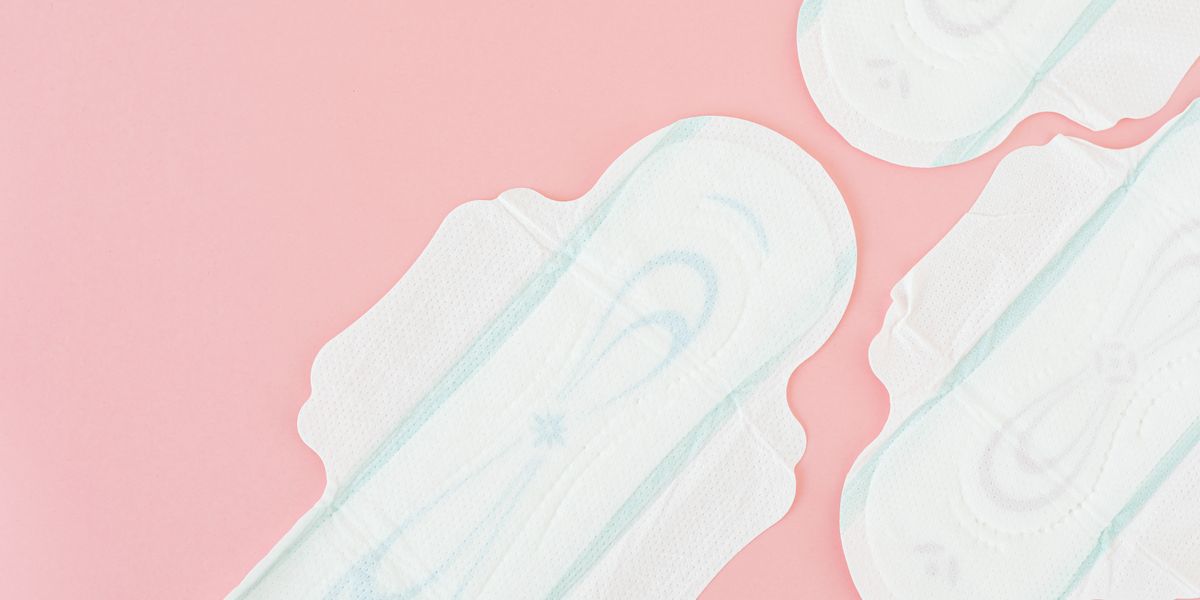
Nua is a women’s wellness brand built around a fairly simple premise: period care and intimate hygiene products that are clean, safe and effective, sold direct to consumers. The homepage positions the range across three broad categories — period care, intimate hygiene products and skin care for women — and the marketing leans heavily on the idea that women deserve better than the fragranced, dyed pads most of us grew up with.
That’s a compelling pitch. It’s also a pitch made by a lot of brands right now. So the useful question isn’t whether Nua sounds good, but whether the specifics hold up and who the products actually suit.
What Nua Actually Sells
Based on the brand’s own site content, the catalog splits into three buckets:
- Period care — sanitary pads, including the MyWave line referenced in customer posts
- Intimate hygiene — products aimed at vulvar and vaginal care routines
- Skin care for women — a broader beauty and skin range
That’s a wide net. Period care and skin care are different categories with different buyers, different regulatory considerations and different expectations. Brands that span both tend to be judged on whether the core product — the pad — is good enough to earn repeat purchase, with everything else riding on that reputation.
The Ingredient Claims, and Why They Matter
The most substantive claim in Nua’s favor, echoed in customer commentary, is what the pads don’t contain: no fragrance, no phthalates and no dyes. One widely shared post about the brand highlights these points alongside a 50% wider back with anti-stain design and a description of the pads as super-soft and breathable.
This is where the brand’s positioning has real teeth. Fragrance and dyes are common irritants in conventional sanitary pads, and a meaningful number of women report itching or discomfort with mainstream drugstore brands. If you’re one of those women, an unscented, undyed pad isn’t a luxury — it’s the difference between a manageable period and an uncomfortable one.
Worth being clear about though: “no phthalates, no dyes, no fragrance” is a formulation claim, not a medical certification. It doesn’t mean the product is hypoallergenic for every user, and it doesn’t mean it’s been tested against every possible sensitivity. Treat it as a meaningful improvement over the conventional baseline, not a guarantee.
What Customers Actually Say
Customer sentiment, as reflected in the reviews and forum posts circulating around the brand, is broadly positive on comfort. One user’s summary — that “quality and rash-free periods are guaranteed with your pads” — captures the recurring theme. Another describes switching brands and not looking back. A separate post about the MyWave pads lists them as soft, leak-proof and affordable, which is roughly the trifecta any pad brand needs to hit.
There’s also a comparative angle worth noting. In community discussions, users frequently contrast Nua with older mass-market options like Whisper and Stayfree, with some reporting itching and irritation from the conventional brands. That comparison is doing a lot of Nua’s marketing work for it, and it’s a comparison the brand clearly invites.
Not everything is glowing, and it’s worth separating two different kinds of feedback. Employer review sites show a 3.9 out of 5 rating from employees, with work-life balance, senior management and a supportive culture cited as strengths. That’s a workplace metric, not a product metric, and conflating the two is a common mistake when researching a brand. Still, a company’s internal culture does influence product consistency over time, so it’s not irrelevant.
Where Nua Falls Short
Here’s the honest part. Nua’s website, as it stands, is thin on the details a careful buyer wants. The pricing page returns a 404 error — there’s no functioning pricing page to review. That means you can’t easily compare cost per pad across product lines without going through the shop flow product by product. For a brand competing on value, hiding the pricing behind a broken link is a genuine friction point.
There’s also the breadth problem. Period care, intimate hygiene and skin care under one roof means the brand is spread across categories where it may not be the specialist. If you want the best pad, you’re comparing against dedicated period-care brands. If you want the best serum, you’re comparing against dedicated skin care brands. Nua is betting that convenience and consistent “clean” formulation standards across the range outweigh specialist depth. That’s a bet, not a fact.
And a note on the claims themselves: “100% clean, safe and effective” is marketing language, not a regulated standard. “Clean” has no legal definition in personal care. The specific, checkable claims — no fragrance, no phthalates, no dyes — are the ones worth weighing. The rest is positioning.
Who Nua Suits
Nua makes the most sense for a specific buyer: someone who has had irritation, itching or discomfort with mainstream fragranced pads and wants an unscented, undyed alternative without hunting through ingredient lists at a pharmacy. If that’s you, the formulation claims are the entire value proposition, and they’re worth testing on a single pack before committing.
It also suits buyers who prefer to consolidate their period and intimate care purchases with one brand and value a consistent formulation philosophy across the range. If you’re already buying three or four different brands for pads, intimate wash and skin care, Nua offers a tidier alternative.
It suits less well if you’re price-sensitive and want to compare cost per unit across the market before buying. With no working pricing page, that comparison takes more effort than it should. It also suits less well if you want a category specialist — the best-in-class pad, or the best-in-class serum — rather than a competent generalist.
How to Evaluate It for Yourself
If you’re considering Nua, a few practical steps make the decision easier:
- Start with one product, not a bundle. The pad is the core product and the one with the most customer feedback. Test that first.
- Check the ingredient list on the pack you receive, not just the website copy. Verify the no-fragrance, no-dye claims against the actual label.
- Watch for irritation over the first cycle. “No known irritants” and “no irritation for you” are different things.
- Compare absorbency and fit against your current brand before switching entirely. The wider back design is a selling point, but fit varies by body and flow.
The Bottom Line
Nua is a brand with a defensible core claim — unscented, undyed, phthalate-free period care — and a customer base that largely confirms the comfort benefits. The MyWave pads in particular seem to deliver on softness, leak protection and affordability according to user reports.
The weaknesses are structural rather than fatal. A broken pricing page makes cost comparison harder than it should be. The brand spans more categories than most companies can be excellent in. And the “100% clean” language is softer than the specific formulation claims that actually matter.
If you’ve been dealing with irritation from conventional pads, Nua is worth a trial pack. If you’re comparison shopping on price alone, you’ll have to work harder than the brand makes easy. Either way, judge it on the checkable claims — the fragrance, dye and phthalate specifics — rather than the slogan.
Related Posts:
 Printify Review: The Print-on-Demand Platform That Powers 10M+ Sellers
 Doola Review: Is This All-in-One Back-Office Platform Worth It for Founders?
 Saily eSIM Review: Affordable Global Data With a Security Twist
 Buddy Punch Review: Affordable Time Clock Software for Small Teams
 Hubstaff Review: Time Tracking and Productivity Insights for Distributed Teams
 DeoDap Review: Is This No-MOQ Wholesale Platform Worth It for Indian Resellers?