

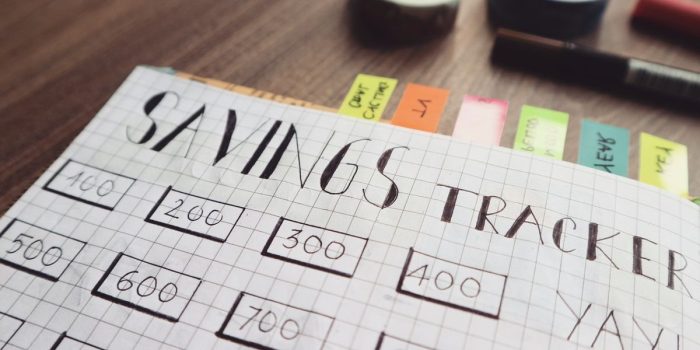
Photo by Tima Miroshnichenko on Pexels
How to Save Money for Travel
To save money for travel, set a clear goal. Set up automatic transfers to a travel fund. Cut costs that repeat each month. How long this takes depends on your income. It may be steady, it may change, or it may already be stretched thin.
Most advice on how to save money for travel assumes you have steady pay. It assumes you have extra spending to cut. If that is not your life, the usual tips do not work.
Start by opening a separate savings account. A high-yield savings account is best. Then name your goal.
1. Set a Clear Travel Budget and Savings Goal
To save money for travel, set a specific goal, automate transfers to a dedicated travel fund, and cut recurring expenses. Start with a number, not a wish.
How do I estimate how much my trip will cost?
Add up flights and hotels first. Then add food, local transit, and activities.
Use free walking tours and less touristy locations to keep costs down. Booking during the off-season helps too.
A savings goal calculator turns that total into a monthly amount. If your trip will cost $2,400 and you have 12 months to save, that is $200 a month.
What percentage buffer should I add to my travel budget?
Add 10–15% on top of your estimate. Prices move. Plans change.
On a $2,400 trip, that buffer is $240–$360. So your real target is about $2,640–$2,760.
Then open a separate savings account specifically for this goal. Set up automatic transfers the day you get paid. Track your progress each month to stay on track.
2. Open a Dedicated Travel Savings Account
Open a separate savings account to avoid dipping into travel funds. Keep it apart from your checking account, so the money is not in easy reach.
Why choose a high-yield savings account over a traditional savings account?
A high-yield savings account pays higher interest rates than a traditional savings account. That extra interest is free money toward your vacation. Many online banks offer these accounts with no monthly fees.
How can I avoid dipping into my travel fund?
Set up automatic transfers the day you get paid. The money moves before you can spend it. Name the account after your trip, like “Japan 2026,” so you think twice before touching it.
Check the balance each month to track your progress. Watching it grow keeps you motivated.
3. Automate Your Savings with Regular Transfers
Set up an automatic transfer from checking to your travel fund for every payday. Pick an amount you can afford, even $10 or $20.
Small amounts add up fast. Saving $25 a week puts $1,300 in your fund in a year.
Schedule the transfer for the day you get paid. The money leaves before you can spend it.
What apps round up purchases to boost your vacation fund?
Apps like Acorns and Chime link to your debit card and round every purchase up to the next dollar. The spare change goes into savings.
Buy a $3.40 coffee, and 60 cents lands in your fund. It is a painless way to save.
You can also send credit card points or cash-back rewards straight into your travel fund.
Use round-up apps like Acorns or Chime that link to your debit card and send spare change from every purchase into savings. You can also redirect credit card points or cash-back rewards straight into your travel fund. Another creative trick is to name your savings account after your trip, like “Japan 2026,” so you think twice before dipping into it.
4. Cut Back on Non-Essential Expenses
To save money for travel, set a specific goal, automate transfers to a dedicated travel fund, and cut recurring expenses. That last one is where most people find the fastest wins.
How do I identify non-essential expenses to cut?
Look at your last two months of bank statements. Circle every charge you could live without.
Dining out, takeout, and daily coffee are the big three. Subscriptions you forgot about add up too.
Be honest with yourself. Rent, groceries, and insurance are essential. A fourth streaming service is not.
Small impulse buys are sneaky. A $12 purchase here and there can drain hundreds each month.
Cancel what you will not miss. Redirect that money straight into your vacation savings account.
Even $50 a month is $600 a year toward flights and hotels.
5. Use Credit Card Rewards and Loyalty Programs
Open a rewards credit card and use it for everyday spending you already have, then pay the balance in full each month. Points turn routine purchases into money for travel.
Sign up for airline and hotel loyalty programs, even if you rarely fly. Membership is free, and points never expire on many programs as long as you stay active.
Double up where you can. Book a hotel through an airline’s shopping portal, or pay for a flight with a card that earns bonus points on travel. Two rewards from one purchase.
Points lose value over time. Airlines and hotels quietly raise redemption rates, so use your points sooner rather than hoarding them.
How do I avoid interest charges on travel rewards credit cards?
Pay the full statement balance every month, not just the minimum. Interest charges wipe out the value of your points fast. If you carry credit card debt, pause the rewards strategy and pay that down first.
6. Travel During Off-Season or Shoulder Season
Pick your travel dates around the cheapest days to fly, not the other way around. Off-season travel can cut both flights and hotels by a lot.
Shoulder season is the sweet spot. That’s the few weeks just before or after a destination’s busy season. You get decent weather and much lower prices.
Use Google Flights to compare a whole month at once. Its calendar view shows the cheapest days, so you can shift your trip by two days and save hundreds.
How can I find less touristy locations to save money?
Search for towns near a popular city instead of the city itself. You’ll pay less for hotels and food, and you can still visit the main sights.
Look for free walking tours and free museum days once you arrive. Small choices like these stretch the money you save on the big costs.
7. Earn Extra Income with a Side Hustle
Cutting costs has a limit. Earning more does not. So pick up a side hustle and send every dollar straight to your travel fund.
Freelance work pays the most per hour. If you can write, design, tutor, or build spreadsheets, sites like Upwork and Fiverr let you set your own rate. Two clients can cover a flight in a month.
Part-time jobs are steadier. Weekend shifts at a café or retail store bring in predictable money you can count on.
Selling things is the fastest start. Old phones, bikes, and clothes you never wear turn into cash this week. List them on Facebook Marketplace or eBay.
Gig apps like DoorDash and Rover fill odd hours. You choose when to work, so it never clashes with your job.
The key step: route this money to your vacation savings account the day it lands. If it sits in checking, it gets spent.
8. Save on Food and Drinks While Traveling
Cook your own meals when you have a kitchen. A hostel or rental with a stove turns a $20 dinner into a $4 one. Pack snacks for travel days so you skip airport and train station prices.
Shop at local grocery stores instead of tourist-area markets. Buy bread, fruit, cheese, and water for a fraction of restaurant costs.
Look for happy hour specials. Many bars and restaurants cut food and drink prices by half in the late afternoon.
Bring a refillable water bottle. You will skip $3 bottles all day, every day.
Cook your own meals when you have a kitchen, shop at local grocery stores instead of tourist-area markets, and look for happy hour specials to cut food and drink costs. Bring a refillable water bottle to avoid paying for bottled water. For activities, seek out free walking tours, free museum days, public parks, and free festivals. Book flights and accommodation strategically—travel during off-season or shoulder season, consider hostels or house-sitting, and set price alerts for fares.
9. Find Free or Cheap Activities and Attractions
Look for free walking tours, free museum days, public parks, and free festivals to cut what you spend on activities. Most big cities run tip-based walking tours, so you pay only what you feel the guide earned.
Check museum websites for free admission days. Many open their doors free one evening a week or on the first Sunday of the month.
City passes only pay off if you visit several included attractions in a short time. Do the math first. If you plan to see two museums, buy tickets separately.
Parks, beaches, and free festivals cost nothing and often beat paid tours. Ask locals where they go.
10. Book Flights and Accommodation Strategically
Book flights 1–3 months ahead for domestic trips and 2–8 months ahead for international ones. That window usually has the best mix of seats and prices.
Compare prices before you buy. Check one-way fares on two different airlines — two one-ways sometimes beat a round trip, and they give you more freedom with dates.
Consider hostels, house-sitting, or a home exchange instead of a hotel. A private hostel room often costs less than a budget hotel, and house-sitting can cut your lodging bill to zero.
Book directly with the airline or hotel when the price matches. You get a real person to call if plans change, and you skip booking-site fees.
Set a price alert and let it run. When a fare drops, you’ll know within hours, not weeks.
11. Track Your Spending and Progress
Use a budgeting app or a simple spreadsheet to track what you spend and what you save. Pick one and stick with it.
Link your vacation savings account so the balance updates on its own. Then you can see your progress without logging in anywhere else.
Review it every week or two. A quick check shows if you’re still on track or falling behind.
If you slip, adjust the next transfer instead of quitting. Seeing the number grow is what keeps most people going.
12. Set Up a Travel Budget for Your Trip
Set a daily spending limit for your trip before you leave home. Divide your total trip budget by the number of days you’ll be away. That number is your daily cap for food, activities, and local transport.
Plan a mix of paid and free activities so one big splurge doesn’t blow the whole day. Balance a paid museum ticket with free walking tours or a park afternoon.
Keep a small buffer for surprises. A daily budget only works if you check it each evening and adjust tomorrow.
This is how you avoid overspending once you finally travel.
13. Look for Deals, Discounts, and Coupons
Sign up for flight alerts so you hear about price drops the moment they happen. Google Flights and Skyscanner will email you when fares to your target city fall.
Check Groupon for deals on hotels, tours, and meals at your destination. If you’re a student or senior, ask about discounts everywhere — museums, trains, and attractions often cut prices with an ID.
Use cashback apps like Rakuten or Ibotta to earn a little back on everyday purchases, then send that money straight to your travel fund. Small rebates add up over the months you’re saving.
As a student, always ask about discounts—museums, trains, and attractions often cut prices with a student ID. Use cashback apps like Rakuten or Ibotta on everyday purchases and send that money to your travel fund. For travel itself, book during off-season or shoulder season, stay in hostels, and look for free walking tours and free museum days to keep costs down.
14. Consider Travel Insurance
Decide whether travel insurance is worth it before you book. It usually makes sense for expensive international trips or cruises.
Check your credit card first. Many rewards cards include trip cancellation or baggage coverage, so you may not need to pay twice.
How to Save Money for Travel When You Have Irregular Income
To save money for travel when your income changes month to month, save a percentage of every payment instead of a fixed dollar amount. Pick a number you can live with, like 10% or 15%, and move it the moment money lands.
Percentage-based saving works because it flexes with your income. A slow month means a smaller transfer. A great month means a bigger one. You never break your budget to hit a set amount.
Capture windfalls fast. Tax refunds, bonuses, and big commission checks should go straight to your travel fund before you can spend them.
Smooth your income by paying yourself a steady “salary” from a holding account. This makes budgeting feel normal even when work is not.
Keep taxes and savings in separate accounts. Open one account for taxes and one savings account specifically for travel, so you never mix them up.
Freelancers and gig workers can still travel the world. The trick is saving by percentage, not by perfect timing.
When Cutting Back Isn’t Enough: Alternative Strategies
But sometimes you have cut all you can. If the math still doesn’t work, change the other side of the equation: earn more, spend less on the ground, or trade skills for free stays.
Grow your income instead of shrinking your life. Ask for a raise, take on freelance work, or pick up weekend shifts. Even $200 extra a month is $2,400 a year toward your trip.
Try geographic arbitrage. Earn in a strong currency, then travel somewhere your money goes further. Southeast Asia or parts of South America can cost a fraction of a European city.
Consider travel-while-working models. Remote jobs, teaching English, or seasonal work abroad let you earn as you go, so you’re not saving the whole trip upfront.
House-sitting and volunteering cut your biggest costs. Watch homes for free lodging, or volunteer with groups like WWOOF in exchange for room and board.
When your budget is already tight, focus on earning more rather than cutting further. Pick up a side hustle like freelance work or weekend shifts, and route every extra dollar straight to your travel fund. You can also try geographic arbitrage—earn in a strong currency and travel where your money goes further, like Southeast Asia or parts of South America. House-sitting or volunteering for room and board can cut your biggest travel costs to near zero.
Are Credit Card Points Still Worth It for Travel?
Use your credit card points sooner rather than later. Airlines and hotels have quietly devalued them since the pandemic.
Lounge access that used to come free now often costs extra. Hotels raised the points needed for a free night.
So a stash you build for years may buy less when you finally cash it in.
If you carry credit card debt, skip points entirely. Interest charges wipe out any reward.
Cashback is the simpler play. It’s flexible, and you can move it straight into your travel fund.
Month-by-Month Savings Timeline: How to Save $6,000 in 6 Months
To save $6,000 in 6 months, break it into monthly, weekly, and daily targets, then check your progress at each milestone. Six thousand dollars over six months means $1,000 a month. That’s about $250 a week, or roughly $36 a day.
Write these numbers down where you’ll see them. A daily target feels less scary than one giant goal. It also tells you fast when you’re falling behind.
Set milestones at the end of each month. By month one, you should have $1,000 set aside. Month three, $3,000. Month six, $6,000. Track your progress in your vacation savings account so you always know where you stand.
If you miss a milestone, don’t quit. Adjust as needed. Trim a subscription, add a small side gig, or push your trip back a month. The plan bends so it doesn’t break.
Saving $6,000 in 6 months is hard but doable. Smaller goals, like $2,000 in 6 months, work the same way. Just divide and adjust.
To save for a vacation in 6 months, divide your total goal by six to get a monthly target, then break that into weekly and daily amounts. For example, $6,000 in 6 months means $1,000 a month, about $250 a week, or roughly $36 a day. Set milestones at the end of each month and track your progress in your vacation savings account. If you miss a milestone, adjust by trimming a subscription or adding a small side gig rather than quitting.
For a 3-month timeline, divide your goal by three to get a monthly target, then break it into weekly and daily amounts. For example, saving $3,000 in 3 months means $1,000 a month, about $250 a week, or roughly $36 a day. The same milestone approach works—check your progress at the end of each month and adjust as needed. A shorter timeline usually requires bigger cuts or extra income, so consider a side hustle or windfall to stay on track.
Is Travel Insurance Worth It for Budget Travelers?
Buy travel insurance when you’re booking a trip you can’t afford to lose money on. That means expensive international flights, cruises, or tours, and any trip with non-refundable costs over a few hundred dollars.
Buy it right after your first big booking, not the week before you leave. Cancel-for-any-reason coverage usually has a short window after that first payment.
For cheap domestic trips, check your credit card first. Many cards include trip cancellation, delay, and baggage coverage if you paid with them.
Then compare the cost. A policy often runs 4% to 10% of your trip cost. On a $2,000 trip, that’s $80 to $200. If the coverage you’d lose is smaller than that, skip it and put the money toward your vacation instead.
The Post-Trip Financial Plan: Avoiding the Post-Travel Crash
Keep an emergency fund that never touches your travel money. Three to six months of basic expenses is the goal. This is the buffer that keeps one surprise bill from turning into credit card debt.
Line up income for your return before you leave. A job, freelance clients, or gig work waiting means you land with money coming in, not just going out.
Don’t spend your savings down to zero. Come home with cash still in your vacation savings account. Even a few hundred dollars softens the landing.
Plan a low-spend first week back. Groceries, not takeout. Free plans, not nights out. Give your budget time to reset.
Then restart your automatic transfers right away. Saving for the next trip is the fastest way to stop the post-travel slump.
Frequently Asked Questions
What is the $27.39 rule and how does it help with saving for travel?
The $27.39 rule means saving that exact amount every day. It sounds random, but it adds up to about $10,000 in a year. The trick is the small daily number. It feels doable, so you stay on track.
Is it possible to save $10,000 in 3 months for travel?
Yes, but it takes about $111 a day. That means cutting big costs or earning more, not just skipping coffee. Most people need a side hustle or a windfall, like a tax refund, to hit this.
Is $5,000 enough for a trip?
It depends on where you go and how long you stay. Two weeks in Southeast Asia? Plenty. A week in a major European city? Tight. Estimate how much your trip will cost first, then compare.
It depends on how long you travel and where you go. $20,000 can fund a year of slow travel in cheaper regions like Southeast Asia or parts of South America, where your money goes further. But in expensive cities like London or Tokyo, that same amount might last only a few months. Estimate your daily costs and multiply by your planned travel days to see if $20,000 covers your trip.
Related Posts:
 Ride Sharing Apps in 2026: Uber vs Lyft vs Bolt, Plus How to Actually Get a Ride Abroad
 How Much Are Hostels in Europe? 2026 Prices from €8/Night (Real Costs + Hidden Fees)
 Free Travel Planner Printable: The 8-Page PDF That Actually Works for Multi-City Trips
 The Best Travel Map App in 2026: I Tested 8 Apps to Find One That Won’t Lose Your Travel History