Is Thailand Safe for Solo Female Travellers? The Direct Answer
Yes — Thailand is broadly safe for solo female travellers. Violent crime against tourists is rare, and the US Department of State keeps Thailand at Level 1: Exercise Normal Precautions, its lowest advisory level. Thousands of women travel alone here every year, and most finish their trip with nothing worse than a sunburn and a lighter wallet.
The honest part: the real risks aren’t assault in the street. They’re petty theft, road accidents, transport and gem-or-tailor scams, and drink safety late at night. The UK FCDO’s Thailand advice flags exactly these, and Numbeo’s crime data shows the gap clearly — daytime safety scores sit high, night scores drop.
So this isn’t another destination overview. It’s a safety playbook built around the moments that actually matter: landing at midnight, a Full Moon party, a stranger who won’t take no, a scooter crash, a stolen phone.
Each scenario gets exact steps, scripts, numbers and insurance implications. Read the verdict, then read the parts that apply to your trip to Thailand.
What the Safety Ratings Actually Mean on the Ground
Thailand is broadly safe for solo female travellers — violent crime against tourists is rare — but the ratings only make sense once you know what each one measures. Numbeo gives Thailand a Safety Index of 63.63. That’s a moderate score, not a warning siren.
The Bangkok numbers explain the most. The city scores 61.8 overall, but 79.76 in daylight and 57.91 at night. That’s why “Bangkok is safe” and “Bangkok is unsafe” can both be true. Same streets, different hours. Khao San Road at 2am is not the Chao Phraya river ferry at noon.
Chiang Mai rates higher at 78.0, which matches what most women travelling alone report: calmer evenings, easier walking. Pattaya sits at 54.9, the lowest of the main stops, so treat it with more care after dark.
The Global Peace Index ranks Thailand 86th of 163 countries. That sounds alarming until you learn it measures military and political conflict, not street crime against visitors. It tells you little about your trip to Thailand.
The US Department of State keeps Thailand at Level 1, “exercise normal precautions,” for Bangkok, Chiang Mai, Phuket and Pattaya. The UK FCDO adds specific warnings about Full Moon parties and late-night bars. Read those as the real signal: the danger is situational, not national.
Which Parts of Thailand Are Easiest for a First Solo Trip?
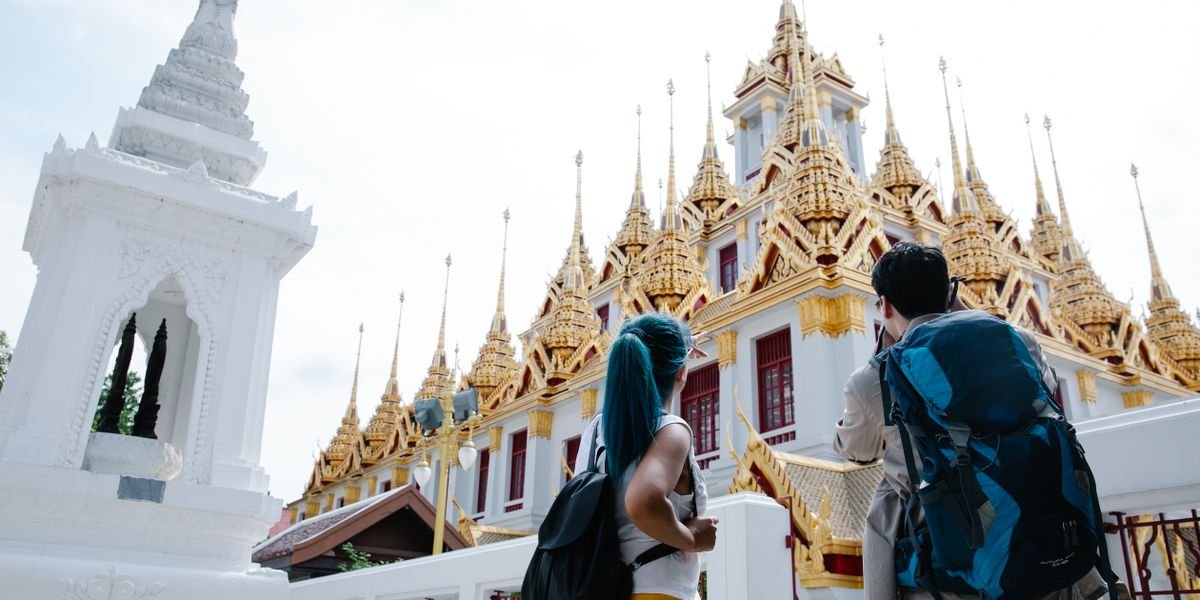
Start with Chiang Mai or Bangkok. Both are the easiest entry points for a first solo trip in Thailand, with the most English spoken, the best transport, and the largest number of other women traveling alone to meet.
Chiang Mai: the easiest first stop (Old City, Nimman, Sunday Walking Street)
Chiang Mai is the gentlest landing. The Old City is flat, walkable, and packed with guesthouses and cafés. Nimman is the modern side, full of coffee shops and co-working spots. Sunday Walking Street is a huge night market where you can wander safely with crowds. Doi Suthep temple is an easy day trip, and you can join tours and transport from any guesthouse.
Bangkok: safe with big-city precautions (Sukhumvit, Silom, Ari, Khao San Road)
Bangkok is safe if you use the same street sense you would in any big city. Sukhumvit around Asok–Phrom Phong and Silom/Sathorn are convenient, well-lit, and sit right on the BTS Skytrain and MRT. Ari is quieter and popular with locals. The Riverside and Old Town are lovely by day. Khao San Road is the backpacker party strip — fun, but watch your drinks and your bag. Take a boat down the Chao Phraya River to skip traffic.
Phuket, Krabi and Koh Samui: which beach base suits a solo woman
For beaches, pick your base with care. In Phuket, Kata and Karon are calmer than Patong, and Phuket Old Town and Rawai suit women who want quieter streets. In Krabi, Ao Nang is the easy hub, Railay is stunning but cut off, and Koh Lanta is laid-back. On Koh Samui, Fisherman’s Village Bophut and Lamai are gentler than Chaweng.
Pai, Koh Tao and the islands that need more care
Pai is small and friendly, with a relaxed Walking Street and the Tha Pai hot springs. Koh Tao and Koh Phi Phi are beautiful but have had serious crime cases, so stay alert, especially at night. For quieter adds, try Lampang, Sukhothai, Khanom, Nan, Mae Hong Son or the city of Ayutthaya.
Is Bangkok Safe at Night for a Solo Woman?
The main risk is late-night alcohol-fuelled areas, not daytime travel. Bangkok’s daytime safety score is 79.76; at night it drops to 57.91. That gap is about nightlife zones, not the whole city.
Where you stay changes your night. Sukhumvit, Silom, Ari and the Riverside are busy and well-lit late, with people around and transport close by. Khao San Road and the nightlife strips are different: drink-spiking is documented there, and Australia’s travel advisory names them directly. Watch your drink, and don’t accept drinks from strangers.
Skip unlit sois (small side streets) after dark, even if they look like a shortcut. Use the BTS Skytrain or MRT where they run, or book a Grab or Bolt instead of hailing a random taxi.
Plan your ride home before you go out, and keep enough phone battery to book it. Tell someone where you’re going. If a bar or street feels wrong, leave — trust your instincts.
What Are the Most Common Tourist Scams — and How Do You Shut Them Down?
Scams in Thailand are common, but they’re scripts — learn them and they stop working. Most target your money, not your body.
The classic is “the temple is closed today.” A friendly stranger tells you the Grand Palace, Wat Pho or Wat Arun is shut, then offers a tuk-tuk “tour” that ends at a gem or tailor shop. The fix: walk to the official gate and check for yourself.
Jet-ski and scooter operators sometimes claim pre-existing damage. Video the rental from every angle before you ride, and never hand over your passport as a deposit.
In Bangkok, insist on the meter or use Grab or Bolt. Solo women get picked out because scammers read politeness as weakness — a firm “no thank you” and walking on works better than arguing. Don’t engage, don’t explain.
Nightlife, Full Moon Parties and Drink Safety: What Actually Happens After Dark
Drink spiking and methanol are the serious risks after dark in Thailand, and both cluster in the same places: late-night bars and Full Moon parties on Koh Phangan. The UK FCDO and Australian advisories name these directly. Violent crime is rare; a doctored drink is the thing that actually puts women in hospital.
The rule is simple. Only drink from factory-sealed bottles or cans opened in front of you, and watch the pour. Refuse buckets, shared cocktails and anything already poured — a bucket on Khao San Road or at a beach bar in Chaweng or Patong is easy to tamper with and hard to judge for strength.
Use a buddy system. Tell someone where you’re going, leave together, and pre-book your ride home from a Full Moon party before you arrive — phone signal and taxis both get scarce at 3am.
Know the early signs of methanol poisoning: you feel far more drunk than the amount you drank should cause, then blurred vision follows 12 to 48 hours later. If that happens, go straight to hospital and say the word “methanol.” Don’t sleep it off.
How Do You Get Around Thailand Safely as a Solo Woman?
Transport is the most underrated risk on a solo trip to Thailand. Violent crime against tourists is rare, but road accidents and late-night rides are where things actually go wrong. Use Grab or Bolt, pre-book your airport transfer, and skip the scooter unless you’re licensed and insured.
In Bangkok, the BTS Skytrain and MRT are clean, cheap and safe, and they beat taxis after dark. For temples and riverside stops, take a boat on the Chao Phraya River — the public express boats are fine, but don’t board an overloaded one.
Domestic flights are quick and cheap for long hops. For the classic Bangkok–Chiang Mai route, the overnight sleeper train is a good option for women travelling alone: book a locked private berth. VIP buses are comfortable but long, and night arrivals mean you’ll want a pre-booked ride waiting.
Motorbike taxis are fast but risky. Wear the helmet they hand you, and think twice after dark. With regular taxis, use the “no meter, no ride” rule — if the driver won’t switch it on, walk away.
Ferries and longtail boats are generally fine, but skip small boats in monsoon swells. Some transfer companies, like Women Driving Women, offer female drivers — a nice bit of peace of mind for a first solo trip.
Are overnight trains and VIP buses between Bangkok and Chiang Mai safe for women travelling alone?
Yes — both are common and generally safe for women traveling alone, with theft being the main thing to watch rather than personal danger. On the sleeper train, keep your passport and phone on you, not in a bag in the luggage rack. On VIP buses, choose a reputable operator, keep valuables in your day bag, and arrive with your onward transport already booked.
Is Renting a Scooter in Thailand Worth the Risk?
Road traffic is a bigger threat to you than violent crime. New Zealand’s advisory names motorcyclists and pedestrians as the travellers most at risk. So renting a scooter is only worth it if you have a licence that covers motorcycles. You also need travel insurance that covers riding. Most standard policies won’t pay out for scooter injuries. And many rental shops will hand you the keys without asking to see anything.
If you do ride, wear a helmet every single time. Wear it even for a two-minute trip to the shop. Crashes spike around New Year and Songkran, the mid-April water festival. That is when roads get busy and wet.
For Pai and the mountain roads around Mae Hong Son, take a licensed minibus instead. The curves are steep. The surfaces are patchy. A scooter you’ve never ridden before is not the place to learn.
What Should Solo Female Travellers Wear in Thailand?
In everyday tourist and beach areas, dress is relaxed, so shorts and sundresses are fine. Temples and royal sites are the exception: they require covered shoulders and knees. Keep a light scarf and a pair of long trousers or a skirt in your day bag so you can cover up at the gate.
At temples, women should not hand items directly to monks. Place the offering down in front of them instead. Don’t touch anyone’s head, and don’t point your feet at Buddha images. The monarchy is deeply respected, so never joke about it or treat images of it carelessly.
Topless sunbathing is not accepted anywhere in Thailand, even on tourist beaches. It offends local people and can draw official fines. A one-piece or bikini top is expected at every beach.
Modest dress also cuts down on unwanted attention. Covered shoulders and knees in busy areas help you blend in. That small habit is one of the easiest ways to feel more comfortable as one of the many women traveling alone here.
What Should You Do Before You Land? The Solo Woman’s Pre-Trip Checklist
The prep that matters most is connectivity, insurance and a plan for your first night. Sort these before you fly and your first solo trip to Thailand starts calm instead of chaotic.
Complete the Thailand Digital Arrival Card (TDAC) on the official immigration website within 72 hours of arrival. It’s free and it is not a visa — beware of copycat sites that charge a fee. Get an eSIM or a local SIM sorted before you fly so you land with data. Buy travel insurance that covers medical care, evacuation, scooter riding and the activities you’ll actually do.
Save your hotel address offline and share your itinerary with someone at home. Download offline Google Maps and Google Translate with Thai loaded. Keep enough phone battery to always call a ride or a friend.
How does the Thailand Tourist Police app and 1155 line give peace of mind before you land?
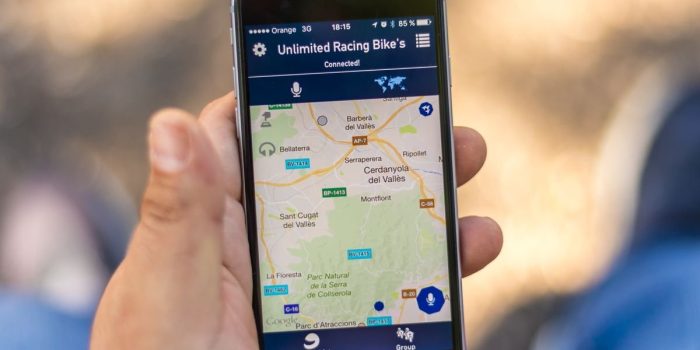
Install the Thailand Tourist Police app before you fly. It has an SOS button, live chat and location sharing, so help can find you fast. Save the key numbers now: 191 for police, 1155 for the Tourist Police (English, 24/7), 1669 for medical help and 1672 for the TAT contact centre. That’s real peace of mind in your pocket.
What If Something Goes Wrong? The Aftermath Playbook Nobody Gives You
If your bag is snatched or you’re assaulted, go to the nearest police station and file a report before you leave Thailand. You need that paper: insurers almost always require a police report number to pay a theft or assault claim. Ask for an English copy.
What do you do if your passport or phone is stolen in Thailand?
Report it to the police first, then contact your embassy for an emergency passport. Keep a photo of your passport and visa page in cloud storage so you can prove who you are. For a stolen phone, use Find My or Google’s device finder to lock and wipe it remotely.
The Tourist Police (1155, English, 24/7) can help you find the right station and translate. They usually guide you rather than attend small thefts, but they do respond to serious incidents. Your embassy handles the emergency passport, usually within a few days.
For insurance, call your insurer’s 24-hour line as soon as you can. Keep every receipt, get the police report translated if needed, and photograph the scene or any injuries. Most policies reimburse after you’re home, so keep the paperwork safe.
What About Harassment — Catcalling, Being Followed, Unwanted Attention?
Unwanted attention is the most common safety issue solo female travellers face in Thailand, and it’s a separate problem from assault or scams. Most of it is annoying, not dangerous. Thai men are generally respectful and often shy — the pushier cases are frequently other tourists, especially in party areas.
It happens in markets, temples, beaches, buses and on the street, not just at night. Some men read a woman alone as vulnerable, and Thai politeness norms mean they may not take a soft hint. Your job is to be clear, not polite.
The script is short: a firm “no thank you”, keep walking, don’t apologise, don’t explain. Head for a busy stall, a hotel lobby or anywhere with staff. You don’t owe anyone a conversation.
If someone follows you, cross the road, walk into the nearest shop and stay there. Call the Tourist Police on 1155 if it continues.
Trust your instincts. If a situation feels wrong, leave — you never need a reason.
Are Other Travellers a Risk? Hostels, Tour Groups and Dating Apps
Yes — other travellers are a real risk, and they cause more trouble for solo women than locals do. Shady expats, pushy Western men in nightlife areas and heavy-drinking party hostels are where most bad nights start. Thai men are usually the respectful ones.
Hostels are where this plays out. Book a female-only dorm, not a mixed one, and read recent reviews for words like “party hostel”, “drinking games” and “free shots” — then skip those places if you want sleep and quiet. Keep your bag locked, keep your phone on you, and don’t leave drinks unattended in a common room.
With tour groups, check the size and the crowd before you book. Small-group day tours from Chiang Mai or Bangkok are easy to vet; booze-cruise island trips are not. Ask the operator directly what the group is like.
On dating apps, meet in public, in daylight the first time, somewhere busy like a mall or a café near the BTS Skytrain. Tell your hostel where you’re going. Take your own transport there and back — never let a match pick you up.
Is Koh Tao Safe? Separating the Headlines From the Data
Koh Tao is safe for most solo female travellers by day, but its “murder island” reputation needs context before you decide. The label comes from the 2014 murders of two British travellers on Sairee Beach and the trial that followed, which drew international scrutiny over the investigation. That was a real tragedy, and it shaped how the island is reported.
The official picture is calmer. Neither the US State Department nor the UK FCDO singles out Koh Tao; both treat it within their general Thailand advice. There is no advisory telling women to avoid the island.
What does differ is scale. Koh Tao is small, so its police station has fewer officers and resources than Bangkok or Chiang Mai. That matters less for violent crime than for practical things — a theft report or a lost passport can move more slowly.
So how do you decide? If diving certification is your reason to go, it is still one of the cheapest and best places in the world to learn, and most women have quiet, easy trips. Book a reputable dive school, stay somewhere busy and well reviewed, and skip the heavy late-night drinking. If the headlines would sit in your head the whole time, choose Koh Samui or Koh Phi Phi instead.
When Is the Best Time to Visit Thailand — and Does Weather Affect Safety?
The Andaman side — Phuket, Krabi, Koh Lanta and Koh Phi Phi — is best from November to April. The Gulf side — Koh Samui, Koh Phangan and Koh Tao — is best from January to August, with its wet stretch running October to December. Rain rarely makes travel unsafe, but it does whip up rough seas, and boats get cancelled. Always plan the last boat back before dark.
In the north, the burning season from February to April hurts air quality in Chiang Mai and Mae Hong Son. If you have asthma or hate haze, go a different month. Finally, road accidents and drink-driving spike around New Year and Songkran in mid-April — the same weeks solo women should be extra careful on the roads.
Frequently Asked Questions
Is Thailand safe for solo female travellers, and how safe is Bangkok specifically?
Yes — Thailand is broadly safe for solo female travellers, and Bangkok is safe too, as long as you use big-city sense. Violent crime against tourists is rare. In Bangkok, watch your bag in crowded markets, use the BTS Skytrain or MRT at night, and book a Grab instead of hailing a street taxi after dark.
Is $1000 enough for a week in Thailand?
Yes, $1000 is enough for a comfortable week if you stay in hostels or simple guesthouses and eat local food. It covers about 35,000 baht. Budget travellers spend closer to $500–700. Flights home are extra, so book those separately.
Can women wear shorts in Thailand, and what should female travellers wear?
Yes, women can wear shorts almost everywhere — beaches, markets and cities are relaxed. The exception is temples and royal sites, where you need covered shoulders and knees. Carry a light scarf and long trousers in your day bag so you’re never caught out.
Is Thailand fun for single men?
Yes, it can be — but the fun that gets advertised hardest is the riskiest kind. Nightlife areas are where drink-spiking and scams cluster. Treat bar workers and local women with respect, refuse pre-poured drinks, and remember that paid venues are not dating.
What are the emergency numbers I should save in Thailand?
Save these now: 191 for police, 1155 for the Tourist Police (English, 24/7), 1669 for medical help, and 1672 for the TAT contact centre. Add them to your phone before you land, and install the Thailand Tourist Police app for its SOS button.
Is Grab or a taxi safer at night?
Grab and Bolt are safer at night. The driver, car and plate are logged in the app, the fare is fixed, and you can share your trip with a friend. Street taxis are fine by day if the meter runs — if the driver refuses the meter, walk away.
Do I need a visa or the TDAC to enter Thailand?
Most Western passports get a visa exemption of 30–60 days on arrival, but check your own nationality before booking. You also need the Thailand Digital Arrival Card (TDAC) — a free online form you fill in within 72 hours of arrival. It is not a visa.
Is it easy to meet people travelling solo in Thailand?
Very easy. Hostels, group tours, cooking classes and dive courses are built for mixing, and Thailand is a well-worn destination for solo travel. Say yes to a group dinner on your first night and you’ll have plans by day two.
Which Thai island is safest for a solo woman?
Koh Samui is the easiest island for a first solo trip — good hospitals, plenty of tours and transport, and busy, well-lit beaches. Koh Lanta is calm and family-friendly. Koh Tao is fine for diving but has thinner police resources, so stay alert.
What should I do in an emergency in Thailand?
Call 1155 for the Tourist Police first — they speak English and can reach you fast. For medical emergencies, call 1669 or go straight to a private hospital. Then contact your embassy and your travel insurer, and file a police report if anything was stolen.