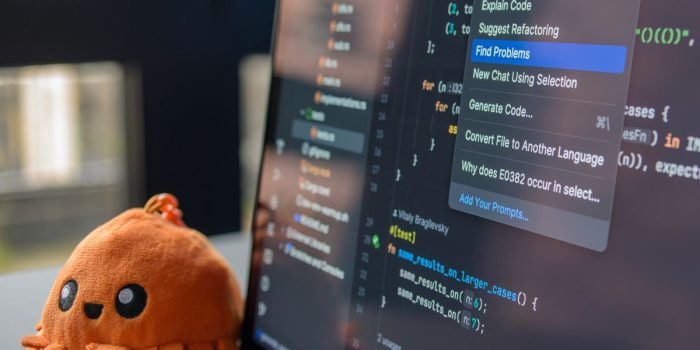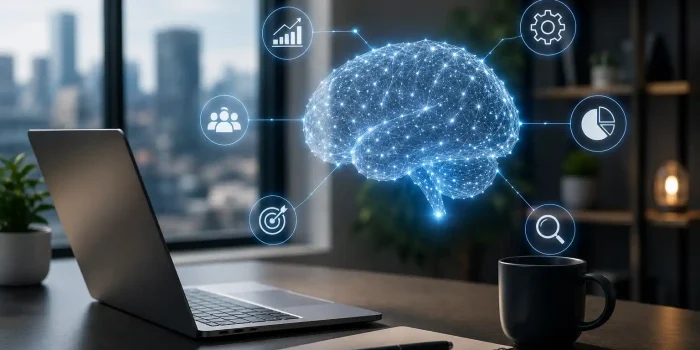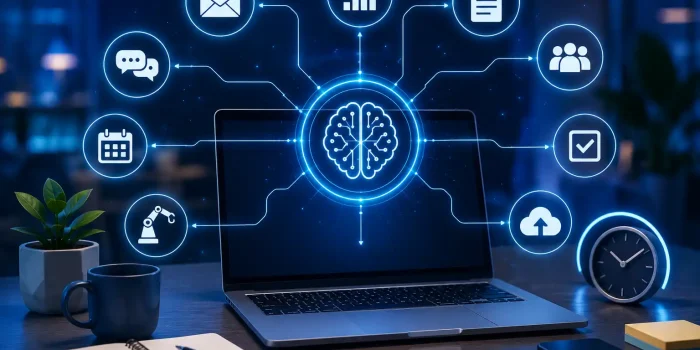
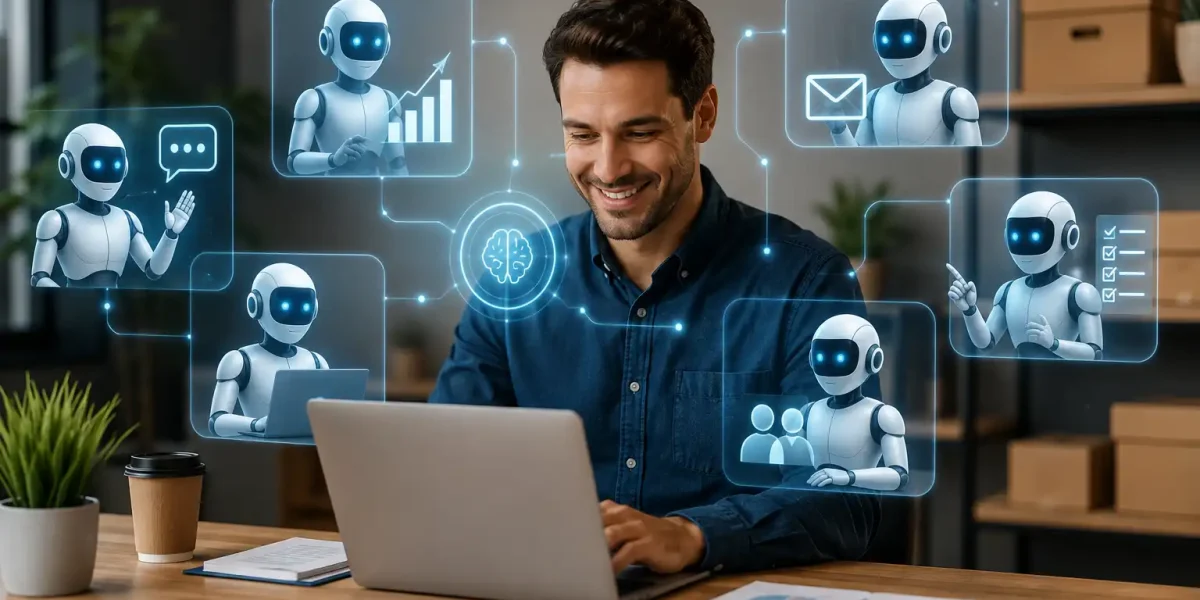
The adoption of artificial intelligence is no longer limited to large corporations with massive technology budgets. In 2026, small businesses around the world are increasingly turning to AI-powered employees to handle routine tasks, improve customer experiences, and operate more efficiently.
What was once considered futuristic has now become a practical business strategy. From customer support and content creation to scheduling and sales assistance, AI employees are helping small companies compete with larger organizations without significantly increasing costs.
As AI tools become more accessible and affordable, small business owners are discovering new ways to automate operations while focusing more time on growth and innovation.
The Rise of AI Employees
Unlike traditional software, AI employees can perform tasks that previously required human involvement. Modern AI systems can understand language, generate content, answer questions, analyze data, and even make recommendations based on business goals.
Many businesses now use AI assistants as virtual team members capable of working around the clock. These tools can handle repetitive responsibilities, allowing human employees to focus on strategy, creativity, and customer relationships.
Industry analysts report that AI adoption among small businesses has accelerated significantly over the past year, driven by improvements in generative AI and automation platforms.
Customer Support Without Hiring Large Teams
One of the most common uses of AI employees is customer support.
Small businesses are deploying AI chat assistants that can:
- Answer frequently asked questions
- Track orders and deliveries
- Resolve common customer issues
- Schedule appointments
- Provide product recommendations
These systems can operate 24/7, reducing response times and improving customer satisfaction without requiring additional support staff.
For many businesses, AI support agents have become the first point of contact for customers.
AI-Powered Marketing Teams
Marketing is another area experiencing rapid transformation.
AI employees can now assist with:
- Blog writing
- Social media content creation
- Email marketing campaigns
- Keyword research
- Competitor analysis
- Advertisement optimization
Instead of outsourcing every marketing task, small businesses can use AI tools to generate ideas, create content drafts, and analyze campaign performance.
This allows companies to maintain a consistent online presence while keeping marketing costs under control.
Sales and Lead Generation Automation
Generating leads remains one of the biggest challenges for small businesses.
AI-powered sales assistants are helping by:
- Qualifying potential customers
- Responding to inquiries
- Scheduling meetings
- Following up with prospects
- Managing CRM updates
These automated systems ensure that opportunities are not missed while reducing administrative workloads for sales teams.
As a result, businesses can focus more on closing deals rather than managing repetitive tasks.
Smarter Business Operations
AI employees are also improving internal operations.
Many companies now rely on AI to:
- Organize documents
- Create reports
- Analyze business data
- Forecast demand
- Manage inventory
- Monitor performance metrics
What once required hours of manual work can often be completed within minutes.
This operational efficiency is becoming a major competitive advantage for smaller organizations.
Challenges Businesses Still Face
Despite the benefits, AI employees are not perfect.
Business owners continue to face challenges such as:
- Data privacy concerns
- AI-generated inaccuracies
- Integration complexity
- Employee training requirements
Experts recommend treating AI as a productivity partner rather than a complete replacement for human workers.
Human oversight remains essential, particularly for customer-facing decisions and strategic planning.
What the Future Looks Like
The role of AI employees is expected to expand significantly over the next few years.
Future AI systems may be capable of managing entire workflows, coordinating with other software platforms, and making increasingly sophisticated business recommendations.
For small businesses, this could create opportunities to scale faster without dramatically increasing workforce costs.
Organizations that successfully combine human expertise with AI-powered efficiency may gain a significant advantage in an increasingly competitive marketplace.
Final Thoughts
In 2026, AI employees are becoming valuable assets for small businesses seeking greater productivity and efficiency. Whether supporting customers, creating content, generating leads, or managing operations, AI is helping companies achieve more with fewer resources.
While challenges remain, the growing adoption of AI employees signals a major shift in how small businesses operate. As technology continues to evolve, AI is likely to become a standard part of the modern workplace, helping organizations work smarter and grow faster.