
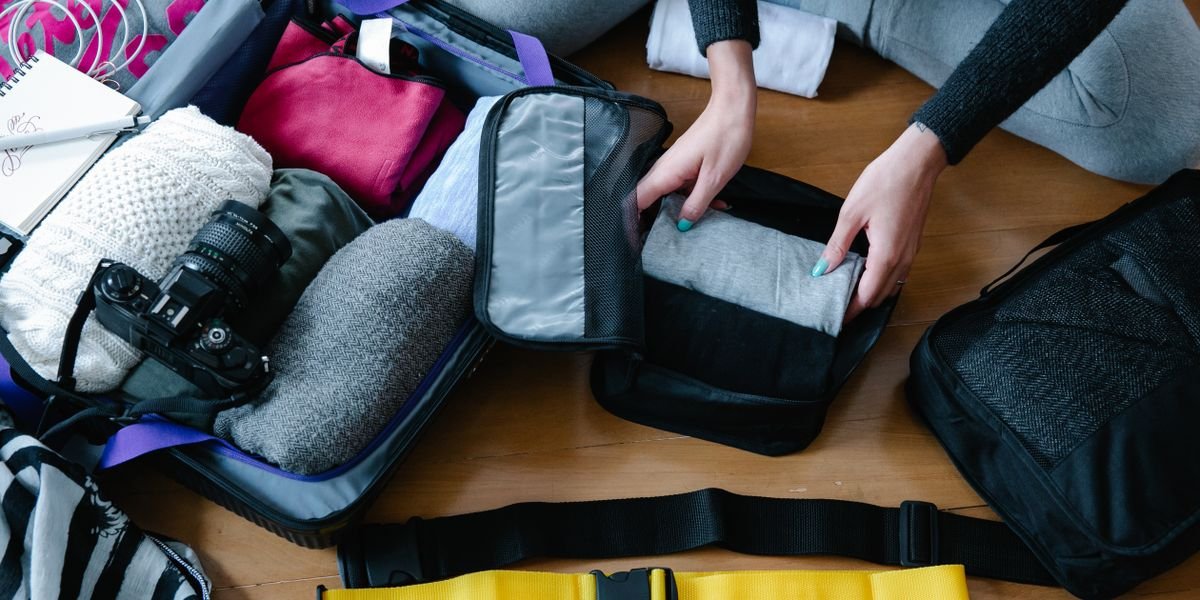
Are Packing Cubes Useful? The Short Answer
Yes, packing cubes are useful for most travelers. They keep a suitcase organized, speed up packing, and make finding items easy. But they add little compression unless you buy compression-style cubes.
Think of a packing cube as a drawer for your luggage. Instead of digging through loose clothes in your carry-on luggage, you pull out one cube holding a complete outfit. The catch: standard cubes mostly organize, they don’t shrink. We tested the real numbers—space saved, weight added, cost per use—so you can decide if they earn a spot in your roller bag.
What Are Packing Cubes and How Do They Work?
Packing cubes are small fabric zip containers that split your luggage into compartments. Each one holds a set amount of clothing, so your suitcase becomes a set of labeled drawers instead of one deep pile.
They work like Tetris pieces. Cubes come in different sizes, and you fit them side by side to fill the floor of your roller bag with little wasted gap. You roll your clothes or fold them flat inside each cube, then zip it shut. That keeps clean clothes apart from dirty clothes and wet swimsuits, and it means you can pull out one complete outfit without unpacking everything. Understanding how do packing cubes work comes down to this simple idea of dividing and containing.
The main split is standard versus compression. Standard cubes only organize. Compression packing cubes have a second zip that squeezes air out and helps compress items, which is how they create more space in carry-on luggage.
The Real Benefits: Why Packing Cubes Are Useful
The biggest win is order. Packing cubes turn a messy suitcase into clear zones, so you always know where your shirts, socks, and chargers are. On a multi-stop trip, you can lift out one cube and leave the rest packed. No more digging through a roller bag at the hotel.
Organization and Easy Item Retrieval
Instead of unpacking everything to find one item, you open a single cube. Pack one complete outfit per cube and getting dressed takes seconds. This is where using packing cubes shines for business packing cubes and family trips alike. Marie Kondo-style tidiness is a bonus, not the point.
Space Optimization: What Standard Cubes Can and Can’t Do
Standard cubes organize; they don’t shrink. They take up a little room themselves, so a full set can slightly reduce luggage space. To actually create more space, you need compression cubes, which squeeze out air. If you roll your clothes tightly first, standard cubes still help you fit more in carry-on luggage by removing gaps.
Reducing Wrinkles and Protecting Clothes
A packed cube holds clothes snug, so they shift less and wrinkle less. The fabric wall also blocks spills from reaching clean clothes. And keeping dirty clothes and wet swimsuits in their own cube protects everything else. That separation is one of the quiet reasons packing bags are worth it.
Who Benefits Most from Packing Cubes?
Frequent travelers get the most from packing cubes. So do people on multi-stop trips, families, backpackers, business travelers, and carry-on-only packers. If you unpack and repack often, you will see the payoff fast. The same is true if you share a suitcase with someone else.
Why Are Packing Cubes Essential for Carry-On-Only Packers?
Every inch of carry-on luggage counts. Cubes turn a jumbled bag into neat blocks. You can roll your clothes and sort them into different sizes. You can still find the one item you need without emptying the whole roller bag. Families benefit too. Give each person their own cube, and unpacking at the hotel takes seconds.
How Do Business Packing Cubes Help Frequent Travelers?
Business packing cubes keep a pressed shirt and a complete outfit separate from everything else. You walk into a meeting looking sharp. Multi-stop trips and backpackers gain the same edge. One cube per stop means you never dig through the whole bag.
Where Packing Cubes Fall Short: An Honest Look at the Downsides
Standard packing cubes organize—they don’t shrink. That’s the biggest downside: if you expect them to create more space, you’ll be disappointed. They add structure, not room. They also cost money, add a little weight, and can make a tightly packed bag less flexible. For many casual travelers, the trade-off is real, even if it’s small.
Do Packing Cubes Add Weight to Your Luggage?
Yes, but not much. A typical packing cube weighs 1–3 oz. A set of four or five adds maybe half a pound. That matters on strict carry-on luggage limits, but it’s rarely a dealbreaker. The bigger hidden cost is bulk: the cube fabric and zippers take up a little luggage space themselves, so you may fit slightly less than you would with loose items.
Are Packing Cubes Worth the Cost for Casual Travelers?
Often, no. A basic set runs $20–$40, and if you pack the same way every trip, you may not notice the benefit. There’s also a learning curve—you need to roll your clothes and plan cube sizes, or you waste space. And TSA can open any cube during screening, so nothing is truly sealed. For a long weekend with one bag, skip them. For frequent or multi-stop trips, they earn their keep.
Compression Cubes: Are They Worth the Extra Cost?
Yes—if you often pack bulky items and need to save space, compression packing cubes are worth the extra cost. If organization is your only goal, standard cubes do that job for less money.
How Do Compression Packing Cubes Compare to Standard Cubes?
They work with a second zipper. You fill the cube, close the main zip, then pull the compression zipper to squeeze out trapped air. That typically cuts volume by 20–45%, depending on what’s inside. Bulky items like sweaters and jackets shrink the most; stiff or structured items barely change.
What Are the Trade-Offs of Using Compression Cubes?
The extra zipper and stronger fabric add a little weight, and the tight squeeze can wrinkle clothes more than a loose standard cube. They also cost more per cube. Still, for carry-on luggage on a long weekend, that saved luggage space is often the difference between checking a bag and not.
How to Use Packing Cubes Effectively
The best way to use packing cubes is to give each one a clear job. Group items by type or by outfit. Match cube sizes to your bag. Roll clothes instead of folding them flat. A little planning up front is what turns a set of cubes from extra stuff into real luggage packing help.
Categorize Each Cube
Sort by type (tops in one, bottoms in another) or by complete outfit. Marie Kondo-style organizers often prefer outfits for trips with busy mornings. Use different sizes for different jobs. Use a large cube for bulk. Use a slim one for essentials packing cubes like chargers and socks. Pack one empty cube for dirty clothes or a wet swimsuit.
Roll or Fold?
Roll your clothes to make more space and cut wrinkles. Fold stiffer items like jeans. Stack heavy cubes at the bottom of your roller bag and light ones on top. Pack a spare cube or two. They lie flat when empty and give you room for souvenirs on the way home.
Packing Cubes vs. Alternatives: Which Is Right for You?
Packing cubes win for most trips, but plastic bags, vacuum bags, packing folders, and rolling alone each beat them in specific cases.
Packing Cubes vs. Plastic Bags: Which Is Better for Luggage Packing?
Plastic bags are cheaper and seal in leaks, but they tear, trap air, and turn your carry-on luggage into a jumble. Cubes cost more yet last for years and let you see and reach items fast. Use a zip bag only for wet swimsuits or dirty clothes.
Vacuum bags crush the most air out, so they win for bulky items on long trips. But packing cubes vs vacuum bags is not close on daily use: vacuum bags wrinkle clothes, and once opened they are hard to reseal. Packing folders suit wrinkle-sensitive clothes like dress shirts. Rolling alone saves the most room but offers zero structure.
Do Packing Cubes Really Reduce Space?
Standard packing cubes barely shrink your load. They mainly organize it. Compression packing cubes are the ones that actually save room. They cut volume by roughly 20–45% when you zip the second zipper.
A standard cube is just a fabric box. Your clothes take up about the same space inside your carry-on luggage as they would loose. Compression cubes add an extra zipper that squeezes out trapped air. This helps most with bulky items like sweaters and jackets.
Does TSA Go Through Your Packing Cubes?
TSA may open your suitcase and look through what’s inside. But screeners usually don’t unpack your cubes unless something looks suspicious. To make screening easier, choose TSA-friendly packing cubes with mesh tops. Mesh lets X-ray images show what’s inside. That way, agents can clear your bag without pulling everything out.
What Is the 5-4-3-2-1 Rule for Packing?
The 5-4-3-2-1 packing method is a simple formula: pack 5 tops, 4 bottoms, 3 dresses, 2 shoes, and 1 hat. That’s enough for about a week of outfits. Packing cubes make the 5-4-3-2-1 packing method easy to follow: give each category its own cube, and you can see at a glance if you’ve packed too much or missed something.
Frequently Asked Questions
What are the disadvantages of packing cubes?
The main downsides are cost, a little extra weight, and less flexibility in how you arrange a bag. Cubes also take up a bit of space themselves, and cheap zippers can fail. For most people, these are small trade-offs against the organization they gain.
Do packing cubes really reduce space?
Standard cubes mostly organize; they don’t shrink your gear. Compression packing cubes are different—a second zipper squeezes out air and can cut volume by 20–45%. If saving luggage space is your goal, choose compression cubes, not basic ones.
How Many Packing Cubes Do I Need for a Carry-On?
It’s a packing formula: 5 tops, 4 bottoms, 3 dresses, 2 shoes, and 1 hat—roughly a week of outfits. It works well for a long weekend or a light carry-on, and cubes make each category easy to track.
Does TSA go through your packing cubes?
TSA may open your suitcase for screening, but officers rarely unpack your cubes unless something looks odd. Mesh-top cubes let screeners see inside without digging, which can speed things up. Pack valuables and liquids where they’re easy to reach.
What is the 5-4-3-2-1 rule for packing?
It’s a packing formula: 5 tops, 4 bottoms, 3 dresses, 2 shoes, and 1 hat—roughly a week of outfits. It works well for a long weekend or a light carry-on, and cubes make each category easy to track.
Are packing cubes just for traveling?
No. People use them at home for drawers, gym bags, and storage. They’re handy for keeping a closet tidy or sorting gear for a hike, not just for luggage packing.
What can I use instead of packing cubes?
Plastic zip bags, packing folders, vacuum bags, or simple rolling all work. Each has trade-offs: bags are cheap but flimsy, folders fight wrinkles, and vacuum bags compress the most but can be bulky to open on the road.