What are the best backpacking dinner ideas?
The best backpacking dinner ideas are cheap and light. They need little more than boiling water. Try ramen with a foil pouch of tuna. Try mac and cheese with bacon bits. Try a one-pot rice and bean burrito bowl. Try dehydrated risotto. Each one weighs a few ounces. Each one costs a few dollars. Each one gives you the calories you need after a long day of hiking.
These are easy backpacking meals because every ingredient comes from a regular local grocery store. You do not need a pricey outdoor shop. You can make your own high calorie backpacking meals. Add olive oil packets, powdered whole milk, or freeze dried chicken to basic pantry staples.
For lightweight backpacking dinners, think fat and protein first.
No stove? No problem. Cold-soak ramen or a bean bark stew in a jar with water while you hike. Dinner is ready to eat when you stop.
No-Cook Backpacking Dinners: No Stove, No Fuel, No Cleanup
No-cook dinners save fuel, save weight, and leave nothing to scrub. Every meal below is ready to eat straight from your food bag.
Cheese, Crackers and Salami
This is the classic no-cook dinner: dense, salty, and full of fat and protein. Carry a block of hard cheese, a sleeve of crackers, and a stick of salami. Hard meats like salami keep for days without a fridge. Cut off what you need with a small knife and eat.
Tuna Wrap
A tuna wrap takes two minutes and needs no heat. Pack a foil pouch of tuna, a tortilla, and a mayo or olive oil packet. Add a Laughing Cow cheese wedge for creaminess. Wrap it tight and eat it cold. Tuna pouches are ready to eat and weigh almost nothing.
Hummus Wrap
A hummus wrap is an easy backpacking meal with real flavor. Carry powdered hummus, mix it with a splash of water in your pot, and spread it on a tortilla. Add an olive oil packet and some dried vegetables for crunch.
Salmon & Cream Cheese Bagels
This one feels like a treat on the trail. Pack a pouch of salmon, a small tube of cream cheese, and a bagel. Salmon pouches are shelf-stable and ready to eat. Assemble it at camp and you have a high-calorie dinner with no stove at all.
Peanut Butter & Crackers
Peanut butter and crackers is the cheapest no-cook dinner on this list. A jar of peanut butter gives you fat and protein for very little money. Pair it with crackers or a tortilla. It is one of the best backpacking meals when you want to skip cooking and cleanup.
Just-Add-Water Backpacking Dinners: Boil Water and Done
These just add water backpacking meals need only one pot of boiling water, so you burn very little fuel and eat within minutes. No simmering, no stirring for twenty minutes, no scrubbing.
Revamped Ramen
Ramen is light, cheap, and ready in three minutes. Toss the flavor packet, then add a pouch of salmon or chicken, a spoon of powdered whole milk for creaminess, and a soy sauce packet. One packet plus add-ins runs about 500 calories.
Couscous with Apricots & Moroccan Spices
Couscous rehydrates in boiling water in five minutes with no stove time after that. Pack a cup of couscous, chopped dried apricots, a pinch of cumin and cinnamon, and a handful of almonds. Add an olive oil packet at camp for fat and calories.
Instant Mashed Potatoes with Gravy and Bacon Bits
Instant spuds are the lightest comfort food you can carry. Bring a cup of water to a boil, stir in the flakes, a gravy packet, bacon bits, and a spoon of coconut milk powder. It is warm, salty, and easy to make when you are tired.
Two more winners from the grocery store: Stove Top Stuffing with a pouch of chicken, and instant rice with dehydrated beans and spices. Both take boiling water and about five minutes. Portion each meal into a zip-top bag at home and label it with the cups of water it needs. That way, your next backpacking trip means grabbing bags, not measuring at camp.
One-Pot Backpacking Dinners: Easy Cooking, Easy Cleanup
These one pot backpacking recipes give you a hot, filling dinner with just one pot to scrub and one round of fuel. That matters when you’re tired and the sun is dropping. Fewer dishes and less stove time mean more rest.
Loaded Mac & Cheese is the comfort pick. Carry mac and cheese powder or a box mix, bacon bits, and powdered whole milk. At camp, boil water, cook the pasta, then stir in the powder, milk, and bacon. The fat and protein keep you full.
Backpacking Fried Rice uses instant rice, soy sauce packets, dried vegetables, and a pouch of salmon or chicken. Add boiling water, cover, and let it sit. A drizzle from an olive oil packet adds calories for long days.
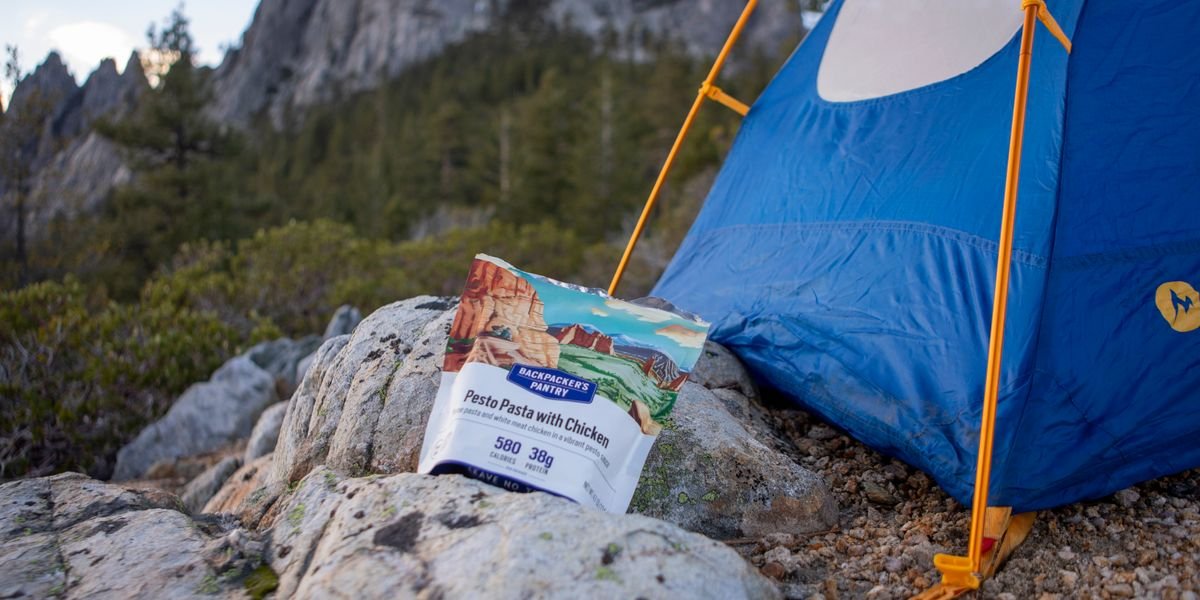
Creamy Pesto Pasta is quick and light. Use angel hair pasta because it cooks fast and saves fuel. Stir in a pesto packet and a Laughing Cow cheese wedge for creaminess. One pot, about eight minutes.
Cheesy Rice and Beans is cheap and high-calorie. Combine instant rice, dehydrated beans, cheese powder, and taco spices at home. Boil and simmer, then eat. It’s one of the best backpacking meals for big hunger after a hard day of hiking.
Backcountry Pad Thai leans on rice noodles, a peanut sauce packet, coconut milk powder, and dried vegetables. Add boiling water and wait. It’s light to carry and tastes like takeout.
Chicken Marbella sounds fancy but travels well. Pack couscous, dried fruit, olives, and freeze dried chicken. Add hot water, and the sweet-salty mix feels like a real dinner.
For easy cleanup camping meals, eat straight from the pot and wipe it with a tortilla. No soap, no fuss. Pack each meal in a labeled bag at home so camp cooking stays simple.
Grocery Store Hacks: Cheap and Easy Backpacking Dinners
You don’t need a dehydrator to eat well on the trail. You can build cheap grocery store backpacking meals from regular aisles at any local grocery store. The trick is repackaging: tear out bulky boxes and pour the contents into zip-top bags. Write the water amount on the bag with a marker.
Condiment packets are free flavor. Grab soy sauce packets, hot sauce, and mayo from takeout orders. They weigh almost nothing and add real taste.
For protein, look for shelf-stable options. Packets of salmon or chicken, tuna pouches, and hard meats like salami all keep for days without ice.
BBQ Mac N Cheese is comfort food in a bag. Repackage a box of mac and cheese, leave out the butter, and add a BBQ sauce packet plus dried bacon bits. Add boiling water, stir, and let it sit covered.
One Pot Thanksgiving Dinner tastes like the holiday. Combine stove top stuffing mix, a chicken packet, and dried cranberries. Add hot water and wait five minutes. It’s ready to eat with no cooking.
Cheesy Chicken Casserole is filling and cheap. Use instant rice, a cheese sauce powder, dried vegetables like peas, and shelf-stable chicken. Add boiling water and let it soak.
Tuna Mac & Cheese needs just two main items. Pack a mac and cheese box with a tuna pouch and an olive oil packet for extra fat and protein. Boil and simmer, then stir in the tuna.
Spaghetti & Sausage uses angel hair pasta, which cooks fast and saves fuel. Add a small can of tomato paste, dried sausage, and Italian seasoning. It’s easy to make and heavy on calories for long days.
How do I plan and portion backpacking dinners for a multi-day trip?
Good backpacking meal planning starts with calories, not recipes. Aim for 25–30 calories per pound of body weight each day. A 160-pound hiker needs roughly 4,000–4,800 calories daily on a long trip.
Build each day around one hot dinner, then add breakfast, lunch, and snacks to hit that number. Dinners usually land around 600–900 calories, so plan the rest of your food to fill the gap.
Repackage everything at home. Pour each meal into a ziplock bag, write the water amount and cook time on the bag with a marker, and leave the box behind. This cuts weight and trash.
Portion dry ingredients by cups, not by package. Most just-add-water meals need about 1 to 1.5 cups of boiling water, so pack a measuring cup or mark your pot.
Carry one extra dinner beyond your trip length. Bad weather, a slow day, or a spilled meal can leave you short, and emergency food is cheap insurance.
Keep a simple written plan for each day. A short list taped inside your food bag tells you what to eat and when, so you don’t burn your best meals too early.
What are the best high-calorie backpacking dinners for long trips?
For long trips, the best high-calorie dinners are Backcountry Pad Thai, Cheesy Chicken Casserole, and loaded mac and cheese made with full-fat cheese and real butter. Each packs fat and protein, not just carbs.
On a long trip you burn far more than at home, so every ounce of food should work hard. Fat carries the most calories per gram, and protein keeps you full and helps your muscles recover. That is why calorie dense backpacking food matters more than big portions of plain noodles.
Easy ways to add calories: stir an olive oil packet into any pasta or rice dish, sprinkle in nuts, or melt in cheese. Powdered whole milk turns a watery soup into a creamy, rich meal.
Backcountry Pad Thai gets a calorie boost from peanut butter and a packet of olive oil. Cheesy Chicken Casserole gains fat and protein from freeze dried chicken and full-fat cheese powder.
Pack a little extra fat for cold nights. A spoon of olive oil or a handful of nuts can turn a light dinner into one that keeps you warm until morning.
How can I make backpacking dinners without a stove (no-cook options)?
You can make no cook backpacking meals with zero fuel: cold-soak instant hummus, cold-soak pasta salad, or chia pudding, or skip soaking and eat cheese and crackers or a tuna wrap straight from the pack.
Cold-soaking means adding cold water to dry food and letting it sit in a sealed jar for one to a few hours while you hike. Instant hummus takes about a cup of water and 30 minutes. Couscous or angel hair pasta softens in cold water in about an hour, and chia pudding sets in 20 minutes with coconut milk powder and a little sugar.
For true no-cook meals, pack cheese wedges, crackers, and meats like salami, or a tuna wrap with mayo packets from the local grocery store. These are ready to eat the moment you stop.
The payoff is no stove, no fuel canister, and no dishes to scrub. The catch is that cold-soaked food needs planning ahead, so start the soak at lunch.
What are easy backpacking dinner ideas using simple grocery store ingredients?
Start with a base like instant rice, ramen, couscous, or instant potatoes. Add a protein: tuna packets, chicken packets, salami, or hard cheese. Then finish with flavor from soy sauce packets, pesto mix, or taco seasoning.
Ramen with tuna is the fastest option. One packet, one tuna pouch, and a soy sauce packet make a hot, salty meal with real fat and protein. It weighs almost nothing and needs only boiled water.
Couscous with pesto mix takes five minutes. Pour boiling water over the couscous, stir in a pesto seasoning packet, and add an olive oil packet for calories. It needs no simmering.
Instant potatoes with chicken is warm and filling on a cold night. Add a chicken packet and bacon bits, plus powdered whole milk for creaminess.
Rice and bean burrito bowls use instant rice, taco seasoning, and a cheese wedge. Add dried vegetables like corn or peppers for texture.
Repackage everything into ziplock bags at home. These grocery store meals cost a fraction of freeze-dried backpacking meals.
What are good backpacking dinner ideas that are lightweight and easy to carry?
Ramen with a tuna packet, couscous with pesto, and instant rice with beans are three of the lightest backpacking dinners you can carry. Each one weighs just a few ounces dry and needs only boiling water.
The trick with lightweight backpacking dinners is to skip heavy cans and jars. Choose dehydrated or freeze-dried ingredients instead. These have the water removed, so you carry food, not liquid.
Repackaging saves the most weight. Tear open the box at home and pour the dry food into a ziplock bag. Leave the cardboard behind. Write the water amount on the bag with a marker.
Good ultralight backpacking food is simple: ramen bricks, instant rice, couscous, and instant potatoes. Add flavor and calories with olive oil packets, soy sauce packets, and powdered whole milk. A tuna or chicken packet adds protein for little weight.
For the lightest load, carry meals that need only add boiling water. No simmering means less fuel, and less fuel means a lighter pack on your next backpacking trip.
Dietary Restrictions and Allergen-Friendly Backpacking Dinners
You can eat gluten-free, dairy-free, nut-free, soy-free, or vegan on the trail with simple swaps. Start with these fixes to the meals above: use rice ramen instead of wheat ramen, and skip the cheese packet in mac and cheese for a dairy-free version.
For gluten-free dinners, swap regular pasta for rice noodles or instant rice. Couscous is wheat, so use quinoa flakes instead. Read labels on seasoning mixes, since many hide wheat.
For dairy-free and vegan backpacking meals, replace powdered whole milk with coconut milk powder. Nutritional yeast adds a cheesy taste without dairy. Olive oil packets add the fat and protein you lose when you cut cheese.
Nut-free is easy: leave out trail mix and use seeds instead. Check granola and energy bars, since many are made near nuts.
For soy-free meals, skip soy sauce packets and use coconut aminos. Tuna packed in water and freeze dried chicken are good protein picks. Vegan backpacking meals can use TVP (textured vegetable protein) or dehydrated beans.
Many freeze-dried backpacking meals list allergens on the packet. When making your own, write the contents on each bag. That way you know exactly what is inside on the day of hiking.
3-Day No-Cook and One-Pot Backpacking Dinner Plan (with Shopping List)
Here is a ready-to-use 3 day backpacking meal plan. Night 1 is no-cook: a tuna wrap with cheese wedges (about 600 calories, zero fuel). Night 2 is one-pot mac and cheese with bacon bits and an olive oil packet (about 800 calories). Night 3 is one-pot rice and beans with taco seasoning and a chicken packet (about 750 calories). That totals roughly 2,150 dinner calories for the trip.
Each dinner weighs under 8 ounces before you repack it. Carry them in labeled ziplock bags so you grab the right one at camp.
Shopping list (one trip to any local grocery store):
– 2 flour tortillas, 1 tuna packet, 2 Laughing Cow cheese wedges
– 1 box mac and cheese, 1 bag bacon bits, 1 olive oil packet
– 1 cup instant rice, 1 taco seasoning packet, 1 can or pouch of beans, 1 chicken packet
Meal prep at home: Repack the mac and cheese powder into a bag with the bacon bits. Mix the rice and taco seasoning in a second bag. Keep the tuna wrap ingredients separate until the day of hiking.
On trail, the cooked dinners need about 2 cups of water brought to a boil, then a short simmer. Let them sit covered for 5 minutes. Add the olive oil packet last for extra fat and protein.
Frequently Asked Questions
What are good backpacking dinner ideas that are lightweight and easy to carry?
Couscous, ramen, and instant rice weigh very little dry. Repack them at home to drop the box weight. Add a tuna packet or freeze-dried chicken for protein.
What are the best high-calorie backpacking dinners for long trips?
Pick meals with fat and protein, not just carbs. Add an olive oil packet to any dinner for about 100 extra calories. Cheese, nuts, and powdered whole milk also boost calories without much weight.
How can I make backpacking dinners without a stove (no-cook options)?
Pack ready-to-eat foods like salami, Laughing Cow cheese wedges, and tortillas. For cold-soak meals, cover instant rice or angel hair pasta with water in a jar and wait 30 to 60 minutes. No fuel needed.
What are easy backpacking dinner ideas using simple grocery store ingredients?
Your local grocery store has almost everything. Grab instant potatoes, stove top stuffing, mac and cheese, soy sauce packets, and dried vegetables like mushrooms. Mix them into easy backpacking meal recipes at home.
How do I plan and portion backpacking dinners for a multi-day trip?
Count one dinner per night, plus one spare. Portion each meal into its own ziplock bag and label it with the day. Aim for 25 to 30 calories per pound of body weight each day, and pack a little extra food in case a day runs long.